Authored by: Dean Mathews
Enhancing diversity in recruitment has become a strategic priority for organizations aiming to build more inclusive, innovative, and high-performing teams. A diverse workforce brings a broader wealth of experiences, perspectives, and ideas to the table, fueling better decision-making, creativity, and employee engagement.
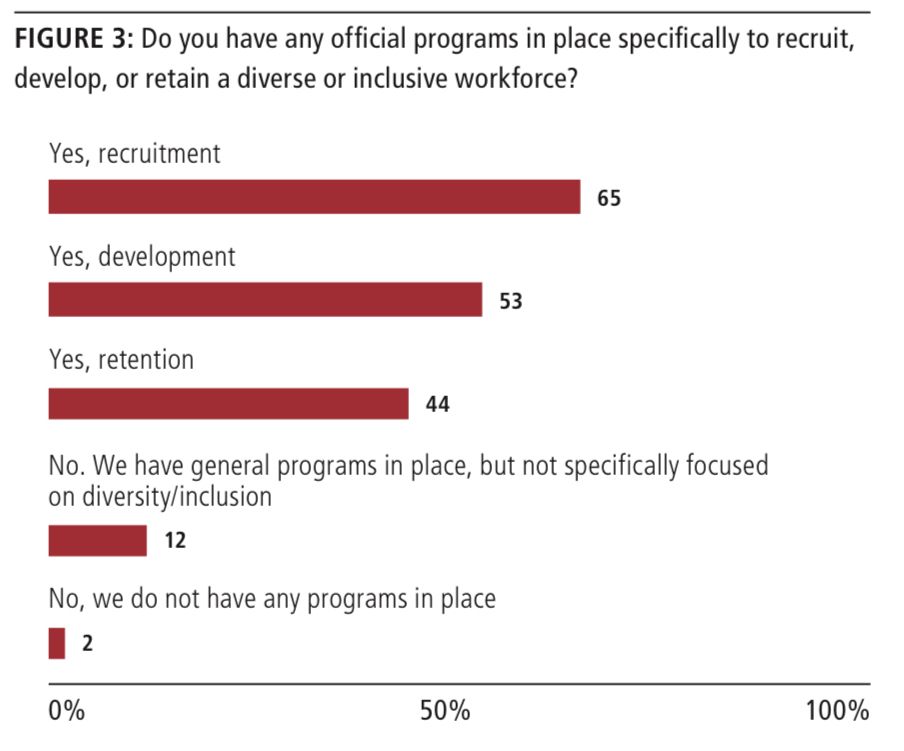
Companies that succeed in fostering diversity are also more attractive to a global customer base and adapt to change more effectively. According to Forbes, 65% of organizations have official programs in place to recruit a diverse and inclusive workforce.
However, achieving meaningful diversity in hiring requires more than good intentions. Traditional recruitment practices are often affected by unconscious bias and limited candidate outreach. That’s where technology is making a real impact, offering tools that help companies reduce bias, broaden their talent pools, and track progress in measurable ways. Let’s explore how.
Why Diversity in Recruitment Is More Than a Trend
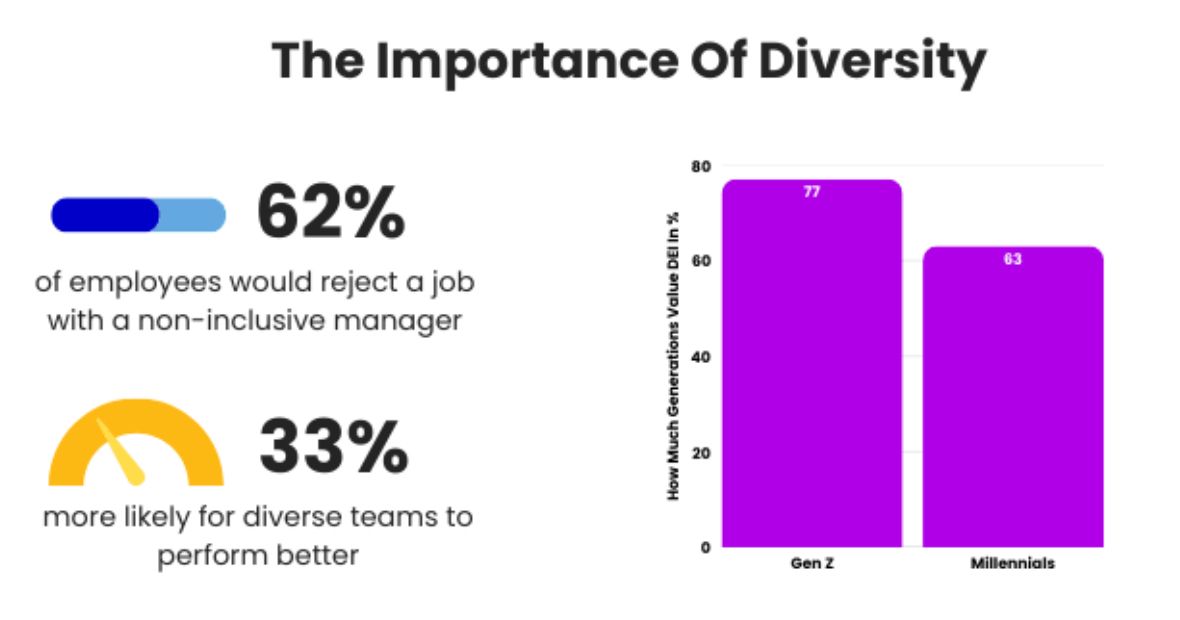
Diversity isn’t just a social initiative, it’s a business imperative. Companies with greater diversity in ethnicity, gender, experience, education, geographical location, and other backgrounds outperform their competitors in profitability and innovation. In today’s competitive talent landscape, job seekers are also increasingly drawn to organizations that prioritize inclusion and fairness. Research shows that 62% of employees would reject a job with a non-inclusive manager.
Despite growing awareness, many organizations still struggle to translate their diversity goals into tangible results. Hiring bias, limited access to diverse candidates, and the lack of data-driven strategies often stand in the way. That’s where technology can help level the playing field.
Using AI to Reduce Bias in the Screening Process
Unconscious bias tends to creep into recruitment at the earliest stages, especially during resume screening. Whether it’s a preference for certain names, schools, backgrounds, or even preferred working hours, these biases can prevent qualified candidates from progressing.
AI-powered tools are helping companies tackle this issue head-on. Intelligent screening platforms can process resumes without revealing demographic information, ensuring that decisions are based solely on skills, qualifications, and experience. These systems use machine learning and natural language processing to identify relevant matches, evaluate candidate potential, and even assess soft skills based on past roles and responsibilities.
This kind of automation not only speeds up hiring but also promotes a more equitable selection process. However, it’s essential to approach AI with caution. If the data used to train these algorithms is biased, the results will be, too. That’s why organizations must audit their tools regularly, work with vendors that prioritize ethical AI, and ensure transparency in how decisions are made.
Used correctly, AI doesn’t just reduce bias, it supports fairer and more consistent hiring practices that are scalable across departments and geographies.
Expanding Candidate Pools With Digital Outreach Tools
Another common challenge in diversity recruitment is access. Many companies tend to recruit from the same sources, top universities, referrals, or local networks. While convenient, these approaches often reinforce homogeneity in the workplace.
Digital tools are helping organizations break out of these limitations. With diversity-focused job boards, social media campaigns, and virtual career fairs, recruiters can reach a much broader and more inclusive audience. These platforms make it possible to target underrepresented groups and connect with talent across different regions, industries, and educational backgrounds.
Virtual events and webinars, for instance, allow job seekers who may face physical, financial, or logistical barriers to engage with potential employers. Digital platforms also enable recruiters to promote inclusive aspects of their company culture, such as employee resource groups, flexible work policies, or DEI commitments, through videos, blog posts, and employee testimonials.
This kind of storytelling is powerful. Candidates want to see real evidence of inclusion, not just statements on a website. Technology makes it easier to amplify those stories and reach people who might otherwise never have considered applying.
Leveraging Data Analytics to Track and Improve Diversity Metrics
Diversity efforts can’t succeed without measurement. That’s why data analytics has become a cornerstone of inclusive hiring strategies. By collecting and analyzing recruitment data, organizations can identify patterns, track progress, and make informed changes.
Applicant tracking systems and HR software now come equipped with dashboards that monitor the diversity of applicant pools, interviewees, and hires. They can also reveal where candidates drop off in the process, helping to spot potential bias points or structural barriers.
For example, if certain applicants are making it to the final interview stage but not receiving offers, that might indicate a need to review the interview process or provide training for hiring managers. If few candidates from underrepresented communities are applying at all, that could signal a need to adjust job descriptions or rethink outreach strategies.
Beyond hiring, analytics can also provide insights into employee retention, advancement, and satisfaction, ensuring that inclusion doesn’t stop at onboarding. These insights allow companies to shift from reactive to proactive, creating long-term strategies that embed diversity into every stage of the employee journey.
Technology as a Support System, Not a Standalone Solution
While technology offers incredible potential, it’s important to recognize its role as an enabler, not a replacement for human judgment, empathy, or leadership. No tool can create an inclusive culture on its own. That responsibility still lies with people.
Hiring teams need to be trained to recognize bias, embrace inclusive interviewing techniques, and challenge their assumptions. Leaders must set the tone from the top, champion diversity openly, and ensure accountability across the organization. Technology simply gives them better tools to execute that vision more effectively and at scale.
Creating a Holistic Diversity Hiring Strategy
Building a truly inclusive recruitment process takes commitment, consistency, and collaboration across teams. It begins with rethinking job descriptions to ensure inclusive language, selecting technology tools that support unbiased hiring, and actively seeking talent in new places.
It also requires continuous learning. Hiring teams should be encouraged to stay updated on best practices, engage with diverse communities, and listen to feedback from candidates and employees alike. When combined with tech-driven tools, these efforts lead to a more robust, fair, and future-ready hiring approach.
A Smarter, Fairer Future for Hiring
Diversity in recruitment is no longer optional, it’s essential for any organization that wants to thrive in a rapidly changing world. Technology provides the tools to make hiring more inclusive, from reducing bias with AI to expanding access through digital outreach and making data-driven decisions that drive real change.
But the ultimate success of these tools depends on how they’re used. Organizations that pair technology with thoughtful, people-centered strategies will be the ones to lead the way. They will build teams that reflect the rich diversity of the world around us and set new standards for fairness and innovation in the workplace.
Author Bio: Dean Mathews is the founder and CEO of OnTheClock, the easy-to-use employee time tracking app that helps over 18,000 companies all around the world track time.
Dean has over 20 years of experience designing and developing business apps. He views software development as a form of art. If the artist creates a masterpiece, many people’s lives are touched and changed for the better.
When he is not perfecting time tracking, Dean enjoys expanding his faith, spending time with family and friends, and finding ways to make the world just a little better. You can connect with him on Linkedin.