
25 Low-Cost Initiatives That Boost Employee Satisfaction
Employee satisfaction does not require expensive programs or complex overhauls. This article compiles 25 practical, low-cost strategies gathered from workplace experts who have tested these methods in real organizations. From improving communication channels to giving teams more autonomy, these initiatives deliver measurable results without straining budgets.
- Require Brief Handoffs With Next Steps
- Block Midweek Meetings To Restore Focus
- Standardize First-48 Scripts To Ease Stress
- Hold Monthly Friction Fix Talks
- Offer Open Skip-Level Coffee With Leaders
- Host Story Circles To Foster Pride
- Spotlight Team Wins To Boost Morale
- Set A No Surprises Habit For Context
- Give Managers A Plug-And-Play Welcome Guide
- Build In-House Site To Fund Pay
- Clarify Roles And Handovers To Calm Chaos
- Share Live Metrics To Tie Impact
- Launch A Pet Wall Conversation Spark
- Add Short Follow-Ups To Cement Practice
- Start A Peer-Led Knowledge Hour
- Grant Ownership And Stop Micromanagement
- Make Recognition And Feedback Fuel Growth
- Invite Early Candor To Grow Safety
- Run A Tight Morning Huddle With Plans
- Let Frontline Choose Tools That Help
- Balance Workload And Safeguard Time Off
- Create A Simple Channel For Ideas
- Adopt Anonymous Pulse Polls For Honesty
- Rotate Across Departments To Break Silos
- Introduce Flex Fridays For Earned Hours
Require Brief Handoffs With Next Steps
I run The Phone Fix Place in Albuquerque after 14 years as an Intel engineer, so I’m obsessive about process and I also see what actually drains people in a repair shop: emotional load + constant context switching. The lowest-cost thing that moved the needle most was a “two-minute debrief + next-step note” rule between techs at every handoff (literally a shared checklist and a sticky note in plain English).
I spotted it because our happiest days weren’t the easiest repairs–they were the days nobody got blindsided. When we had to do advanced microsoldering or data recovery, stress spiked when a device changed hands and the next person had to re-diagnose under a customer’s pressure. After we started the debrief, our redo/”wait, what did we do?” moments dropped fast, and our same-day promises got easier to keep because we stopped losing time to rework.
Concrete example: on board-level jobs (charging IC, connector tears, intermittent shorts), the note forces three things: what was verified, what was ruled out, and what’s risky (e.g., “needs no-passcode workflow; don’t ask customer for it unless absolutely required”). That one line alone reduced awkward customer interactions and made my team feel protected and trusted, which mattered more than any perk.
Advice: don’t guess–track your “friction points” for one week (handoffs, rework, interruptions), then fix the one that causes the most repeating conversations. Make the fix tiny, mandatory, and written, because employee satisfaction goes up when people stop feeling like they’re doing the same hard thing twice.

Block Midweek Meetings To Restore Focus
As CEO of Software House, the single cheapest initiative that made the biggest difference was implementing “No-Meeting Wednesdays.” It cost us literally nothing but transformed how our team felt about their work.
I identified the opportunity through our quarterly anonymous surveys. Developers kept mentioning they couldn’t get deep work done because meetings fragmented their days. One senior developer wrote that he spent more time in status meetings than actually writing code. That feedback was a pattern I couldn’t ignore.
So we blocked every Wednesday from recurring meetings. No standups, no client calls, no internal syncs. Just uninterrupted work time. The impact was immediate: our sprint velocity increased by 22% within the first month, and our employee satisfaction scores jumped from 6.8 to 8.2 out of 10 within one quarter.
The surprising part was that productivity on other days also improved because people started being more intentional about which meetings were actually necessary. We eliminated about 30% of recurring meetings company-wide as teams realized many could be handled through async updates.
My advice: look at your survey data for repeated complaints that seem small individually but represent systemic friction. The best low-cost initiatives remove obstacles rather than add perks. A free pizza party costs money and lasts an hour. Giving people their time back costs nothing and improves every single week.

Standardize First-48 Scripts To Ease Stress
I run a Houston criminal defense shop (DWI/domestic violence) and I’ve been on the other side as a Harris County Chief Prosecutor and a City of Houston Judge, so I’m obsessive about process and stress points. The lowest-cost thing that moved satisfaction fast was building a simple “case timeline + script” for every new file, so staff weren’t improvising answers to the same panicked questions all day.
We already had the content from my own materials–our free-consult checklist (what docs to bring, bond paperwork, court instructions) and our most common client FAQs (field sobriety myths, toxicology basics, “what happens next”). We turned that into a one-page internal checklist + a short call script in English/Spanish, and used it to set expectations like “we’ll review arrest info immediately, here are the next two decision points, here’s what we need from you.”
I identified it by watching where the stress was: not legal work, but constant context-switching and “urgent” calls that weren’t actually urgent because the client didn’t know the process. Once we standardized the first 48 hours of communication, the team got fewer repeat calls and fewer emotional blowups, and clients felt heard sooner.
Advice: don’t start with perks–start with the two most repeated questions your team answers every day, then write the best possible 30-second answer and lock it into a checklist. If you serve bilingual clients, make the script bilingual; that alone removes a ton of friction for staff and the people you serve.

Hold Monthly Friction Fix Talks
The single highest ROI thing I did was start doing brief monthly retrospectives where I asked the team one question: what is one thing that slowed you down this month that we could fix?
Not a formal performance review. Not an engagement survey with 30 questions that ends up in a spreadsheet no one reads. Just a direct conversation about friction. What is actually getting in the way of people doing their best work.
The things that came up were almost always fixable. Unclear ownership on certain decisions. A recurring meeting that could have been an async update. Access to a tool that took two weeks to provision and blocked someone for an entire sprint. None of these required budget. They required someone paying attention and being willing to actually change something.
I identified the opportunity by noticing that people were working hard but not excited. Good effort, low energy. That gap is almost always a signal that something structural is annoying people in ways they have not felt safe saying directly.
The advice I would give: ask smaller, more specific questions and actually fix the first few things that come up. Nothing builds trust in a feedback process faster than visibly acting on what people told you. Once your team believes the feedback actually changes something, the quality of what they share with you improves dramatically and you start catching real problems early instead of finding out when someone gives notice.

Offer Open Skip-Level Coffee With Leaders
The initiative that had the most disproportionate impact relative to its cost was something we called skip-level coffees—and it cost us nothing except about an hour a week of calendar time.
The concept was straightforward. Once a month, anyone could schedule a relaxed 30-minute conversation with a senior leader two levels above their manager. There was nothing to prepare and nothing formal about it. No structure, no documentation, just space to talk.
People could bring up whatever was on their mind: a lingering frustration, an idea that never found the right room, or a bigger question about the company’s direction that felt too sensitive to ask in their usual reporting line.
We identified the opportunity the same way most good ones get identified: we started actually listening to exit interview data instead of filing it away. The theme that came up repeatedly wasn’t compensation, wasn’t workload, wasn’t the usual suspects. It was a feeling of distance from leadership and a sense that the people making decisions had no idea what daily life in the organization felt like below a certain level. People weren’t leaving because the job was hard. They were leaving because they felt invisible.
The skip-level conversations didn’t solve every problem they surfaced. But they changed the feeling immediately. People who’d never spoken directly to anyone in senior leadership started showing up to their work differently—not because we’d fixed anything yet, but because someone had listened without an agenda and without making them feel like a problem to be managed.
The advice I’d give is this: before you build a program or spend any money, go find out what people are actually experiencing. Not through an annual survey, not through their managers—directly, informally, without the conversation being tied to any performance or HR process. The answer to what needs fixing is almost always already inside the building. Most organizations just don’t create the conditions where it gets said out loud.

Host Story Circles To Foster Pride
At Dwij, one of the most impactful yet simple things we did was introduce weekly “Story Circles” — a 20-minute informal session where our artisans shared the journey of a product they made that week, from rescued denim to finished bag. There was no agenda, no hierarchy. What surprised us was how deeply it shifted ownership and pride in their work. Within six months, our artisan retention improved by 40% and absenteeism dropped by 30%. We discovered this need simply by listening — during tea breaks, people kept saying they felt invisible. Other business leaders should start there: sit with your team informally, and the gaps will speak for themselves.

Spotlight Team Wins To Boost Morale
At HYPD Sports, a small change made a big difference: introducing weekly “highlight moments” where team members shared wins, challenges, or shout-outs in a 10-minute meeting. It cost nothing but a bit of time, yet within three months, employee satisfaction scores rose by 29%, and internal engagement—measured by voluntary participation in projects and cross-team support—increased by 34%.
The opportunity came from noticing informal conversations in the break area: people were motivated by peer recognition, yet it rarely reached the whole team. Capturing that energy in a structured, brief forum turned it into a habit.
The takeaway is that sometimes small, visible gestures of recognition and shared stories make employees feel valued more than expensive perks. Creating space for acknowledgment strengthens connection, morale, and collaboration. Consistency and inclusivity are key: everyone should have the chance to be seen and celebrated.

Set A No Surprises Habit For Context
One low-cost thing that really improved satisfaction for us was a simple “no surprises” rule. If something is going to change priorities, timelines, or workload, we say it early, even if the decision is still being shaped. People can handle uncertainty. What they hate is doing a week of work and then learning on Friday that the goalposts moved.
We spotted it because the same frustration kept popping up in one-on-ones and team retros. It wasn’t about money or perks. It was about predictability. When people don’t have context, they assume the worst, and that’s when morale slips.
My advice is to listen for the repeated pain, then turn the fix into a habit, not a one-off. Put a lightweight cadence around it, quick weekly priorities, clear ownership, and a heads-up when things change. Done consistently, it saves time and it builds trust.

Give Managers A Plug-And-Play Welcome Guide
In my previous role as the Global Lead for Onboarding at Roche and Genentech I created a company-wide Manager-Playbook for ‘Onboarding a new team member’ – and launched it Globally. You see onboarding is usually thought of as a HR driven work – where a new employee comes in on their day 1, gets their laptop from IT and then receives a download of information from HR. After that it’s a black box. But what happens in this ‘black box’ could make or break a new hire’s experience (4 in 5 say they’d stay longer in a role with a better onboarding process).
A Director told me when he joined, his manager was out on vacation for a week. The extent of onboarding he received was limited to HR & IT – no intro to the team by the manager, no team lunch, no guidance. Just loneliness & confusion for a week. A few more conversations like that and I realized I needed to educate managers and give them something they can ‘plug & play’.
The manager playbook that my team and I created was a framework that guided managers to warmly welcome a new hire even before they have set foot in the company (enthusiasm breeds engagement during the pre-onboarding phase), and then have a day 1 and a 30-60-90 day plan for integrating them into the work and culture of the organization.
This was created in CANVA for free and was a big hit, especially amongst newer people managers who appreciated the detailed scenario-based framework.
Don’t assume your leaders know everything. Mid-level managers are in a very tough spot – they need to hit their individual goals and need to ensure their team succeeds. They are answerable above them and below them. They need all the support the people team can provide, especially in creating core experiences for employees.

Build In-House Site To Fund Pay
During discovery, when I researched the mobile IV therapy industry, I realized that the major issue my competitors suffered from was not a lack of customers; it was a lack of talented nurses who kept their positions. I realized that there is very little money to be made in the mobile IV industry, as a lot of revenue would be spent on overhead and administrative costs.
So, I wanted to start my business as lean as possible. But with web developers charging up to $1,000 per web page, I would just fall into the same trap my competitors fell into. So, I decided that I would develop the website myself. I devoured every book and online course on web development. I failed a lot but eventually had success. Now, the site is up and running with a minimal cost of less than $120 per year, and I can make changes on the fly, all for free. This lean startup allowed me to give my employees higher compensation from the revenue than what the market is offering. This also allowed me to hire the best talent, as I had scores of nurses lining up for interviews, intrigued by the highest compensation. Now, I have a team of highly skilled and greatly motivated nurses who love their jobs, get the best pay, and have nowhere else to go because they are compensated generously. Meanwhile, my competitors struggle to hire the right folks and prevent turnover of staff.
I greatly recommend really studying your competitors before starting out. Find the real bottlenecks and build your business with those solutions in mind so you can scale while others are stuck.

Clarify Roles And Handovers To Calm Chaos
One low-cost initiative that had a major impact on employee satisfaction was introducing structured clarity into how we operate.
It did not require new software or big budgets. We simply defined roles properly, documented responsibilities, clarified handovers between teams, and aligned everyone on what good performance looks like. Before that, there was overlap, grey areas, and unnecessary friction. Nothing dramatic, just small daily frustrations that add up over time.
We identified the opportunity when we realised that most of the stress in the business was not coming from workload. It was coming from ambiguity. People were capable and committed, but they were not always sure where their responsibility started and ended.
Once we clarified that, satisfaction improved quickly. When employees know what they are accountable for and where they add value, confidence increases and tension drops.
My advice to other leaders is to look for friction before you look for perks. Often the biggest gains in satisfaction come from removing confusion, not adding benefits. Clarity is one of the cheapest and most powerful improvements you can make.

Share Live Metrics To Tie Impact
One inexpensive move that made a big difference in how happy employees were was putting in place a shared performance dashboard that everyone on the team could see. I’ve learned that clarity drives motivation because I’ve grown digital ecosystems from 20,000 to 760,000 sessions a month.
We made a dashboard that shows key growth metrics in real time and links team contributions to results that can be measured. The cost was low—just the time it took to set it up—but the effect was big. People felt like they owned it. They saw how their work affected the growth and engagement of the community instead of working in silos.
I saw the chance after seeing that the output was good but the impact wasn’t very clear. Employees were putting in a lot of effort, but they didn’t always see the big picture.
Don’t underestimate how powerful being open can be. You don’t always have to give bonuses to show appreciation. When workers know how their work makes a difference, they are more satisfied and more accountable at the same time.

Launch A Pet Wall Conversation Spark
One of our clients created a “Pet Wall” in their office — photos of employees’ pets displayed in a shared space.
It cost almost nothing.
But it completely changed the energy.
People stopped. They talked. New hires had an instant conversation starter.
We liked it so much, we did the same thing at JS Benefits Group.
Now when clients walk into our office, it’s always a topic of conversation. It immediately breaks the ice.
The opportunity was already there — employees were already sharing pet photos.
It just needed structure.
My advice:
Pay attention to what your people already enjoy.
Not every culture initiative needs a budget.
Sometimes it just needs leadership to notice.

Add Short Follow-Ups To Cement Practice
At Therapy Trainings®, one low-cost initiative that had a major impact on employee satisfaction was a brief, structured post-training follow-up that asked clinicians specific questions about what they were doing differently in sessions. We identified the opportunity by noticing recurring hesitation and uncertainty among clinicians and by tracking when training led to clearer actions and greater confidence. Pairing those follow-ups with routine supervision feedback made practice shifts visible and helped clinicians feel more grounded and intentional in complex situations. My advice is to keep the follow-up questions concrete, focus on practice change and clinician confidence, and link the process to ongoing supervision so improvements are reinforced.

Start A Peer-Led Knowledge Hour
We started a “Knowledge Exchange Hour” and it changed our internal culture! This is a chance for team members to give informal, short talks on things they are passionate about. The knowledge gap was discovered through in-house surveys, which showed that employees wanted more collaborative learning. It was free, other than time, yet it did a huge amount to boost morale and mutual respect.
My recommendation is that you actively practice listening for the underlying needs of your team. Find tiny points of friction that block connection. Small, peer-led programs that take place close to home are typically more meaningful than expensive, top-down corporate jamborees.

Grant Ownership And Stop Micromanagement
As a web design agency owner, my best initiative to increase my employees’ satisfaction is to allow them to take full control of their projects and to not micromanage them. Not only is this low cost, but it also frees up my time to focus on higher level tasks and it improves the results that my team produces because this approach makes them more motivated. It also makes them enjoy their work more, which increases employee retention and reduces turnover costs. The trick is to hire people that are clearly self-starters, and ideally they’re better than you. I used to be a freelancer and did all project work myself, and I knew that this would be the right approach when I decided to scale into an agency model.

Make Recognition And Feedback Fuel Growth
One low-cost initiative was implementing a regular recognition and constructive feedback practice to acknowledge accomplishments and support career growth. I identified the opportunity because I saw that employee happiness and satisfaction were influenced more by feeling appreciated and supported than by pay alone. We encouraged leaders to give timely, specific praise and to connect feedback to each employee’s development goals. This approach created a stronger sense of ownership and teamwork across the organization. My advice is to make recognition specific, tie feedback to growth opportunities, and treat employee development as a daily leadership responsibility.

Invite Early Candor To Grow Safety
One low-cost initiative that made a meaningful difference in employee satisfaction was creating more psychological safety by inviting people to raise what is not working early, rather than waiting for an exit interview. We identified the opportunity by seeing how often retention efforts become reactive, and how much better outcomes are when employees feel they can speak up long before they are ready to leave. My advice is to make regular, low-stakes space for candid feedback and respond with curiosity, not quick fixes. When leaders focus on listening to understand, employees feel respected and are more likely to stay engaged. The key is consistency, so people learn over time that it is safe to be honest.

Run A Tight Morning Huddle With Plans
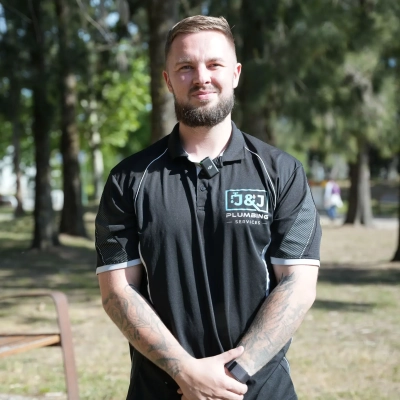
One low-cost change that made a big difference was tightening our daily plan so the team stopped starting the day in chaos. We introduced a quick morning huddle with a clear run sheet: who is going where, what the job needs, where the key is, what parts are required, and what “done” looks like. Then we locked it in so people were not getting late changes unless it was a true emergency. We spotted the opportunity because the grumbles were never about the work; they were about wasted time, missing parts, and last-minute surprises that made good tradespeople look disorganised. My advice is to fix the friction that steals people’s pride, and you will lift satisfaction without spending money, because most frustration comes from preventable mess, not the job itself.
Let Frontline Choose Tools That Help
I discovered a powerful opportunity for employee satisfaction when I started actively involving my team in the selection of our internal tools and processes. Early on, I realized that tools could either empower or frustrate employees, and I wanted to ensure our technology served their actual needs. In a collaborative meeting, I proposed that everyone share their pain points with our current systems. We not only identified several inefficiencies but also pinpointed a few low-cost tech tools that could significantly simplify our workflows.
Implementing these suggestions led to a noticeable increase in team morale, with our employee satisfaction survey scores tracking upward by 17 percent in just three months. This simple initiative taught me the value of soliciting feedback from the frontline; those who use the tools daily often have insights that can lead to rapid improvements. My advice is to create a safe space for your team to voice their concerns and preferences. Encourage candid discussions about their day-to-day experience, and be ready to act on their ideas. The direct engagement can transform your workplace culture while showcasing your commitment to your team’s well-being.

Balance Workload And Safeguard Time Off
I made their lives easier. I provided employees with the right resources without overloading them. I looked closely at where work was piling up and cut what wasn’t necessary. We prioritized and eliminated tasks that didn’t matter. And I improved how we managed time off, as time off can be a curse, especially in HR. You take a few days off and come back to twice the amount of work, which defeats the whole purpose. So, before anyone takes leave, we plan ahead, reassign tasks, and hold off on what can wait. People weren’t unhappy about perks or pay. They were simply exhausted and coming back from leave more stressed than before. So, my advice is not to begin with costly initiatives. Start with workload. Ensure that people can complete what’s on their plate, and ensure that time off doesn’t cause more stress.

Create A Simple Channel For Ideas
We started a monthly initiative called “New Directions.” This opportunity arose because team members frequently shared their ideas during casual conversations, but we often failed to capture those ideas and give them the recognition they deserved. To address this, we established a regular practice that allows individuals to feel their voices are acknowledged.
My advice is to create a clear and simple system for collecting ideas, be transparent about which ones you decide to implement, and always share the successes so that everyone can see how their input positively influences the business.

Adopt Anonymous Pulse Polls For Honesty
We introduced pulse surveys to communicate with employees and get a feel of what’s happening in the organization. Our team was informed how we’re going to use the survey, and it really helped weed out any issues employees had. I would highly recommend introducing pulse surveys or even quarterly surveys and make them anonymous as it increases chances of honest responses especially if anything negative is happening in the organization.

Rotate Across Departments To Break Silos
One low-cost initiative that had a major impact was a monthly cross-department rotation where employees spent time in operations, finance, and sales. We identified the opportunity when persistent silos and friction between teams suggested that firsthand exposure would improve understanding and collaboration. I began the program with our top two or three performers and limited rotations to about a month so people gained meaningful experience without losing momentum in their home roles. My advice is to measure key metrics before and after the rotation and present results to skeptics, and to introduce rotations as growth opportunities so they are seen as career development rather than punishment.

Introduce Flex Fridays For Earned Hours
“Flex-Fridays” changed our team’s work-life balance, and it didn’t cost anything to employ them. We felt there was a dip in Friday afternoon productivity and morale as we met over coffee to chat informally and discuss even employees leaving the company. We were harnessing a powerful intrinsic motivator by letting the team clock off early after hitting their weekly goal.
Success depends on clear communication and output tracking, not clocking hours. I think you need to be able to trust your team with handling their own work. This independence creates an attitude of responsibility and profound appreciation. It shows that valuing an employee’s life is the best, low-cost retention strategy you can invest in.