

25 Ways to Personalize Employee Experience Across Generations and Work Styles
Creating a workplace that works for everyone requires more than one-size-fits-all policies. This article brings together 25 practical strategies from industry leaders who have successfully adapted their employee experience to different generations and work styles. Each approach balances consistency with the kind of flexibility that helps people do their best work.
- Provide Multiple Learning Formats
- Split Communication to Reduce Misfires
- Assign Roles and Reframe Change
- Ask Individuals How They Perform Best
- Negotiate Space to Signal Priorities
- Standardize Outcomes Personalize Methods
- Pair Digital Precision With Craft Mastery
- Show Craft With Story-Driven Milestones
- Match Flexibility With Cross-Generational Mentorship
- Balance Autonomy With Guided Development
- Segment Role Paths With Governance
- Customize Policies by Function
- Adopt Work Style Manifestos
- Offer Self-Service and Human Support
- Protect Staff With Sanctuary Time
- Blend Fixed Schedules With Dynamic Choice
- Flex Processes on a Unified Standard
- Honor Strengths Across Clinical Aesthetics
- Normalize Repetition to Build Confidence
- Create Dual Entry Routes
- Align Insights to Team Needs
- Enable Diverse Engagement Pathways
- Tailor Recognition to Preferences
- Treat Wellness as Strategic Infrastructure
- Equip Managers With Simple Personalization Tools
Provide Multiple Learning Formats
Every generation in the workforce wants to feel supported, but how they absorb information and grow professionally is rarely the same.
One of the most tangible shifts I guided clients through was moving away from one-size-fits-all training toward a menu of learning options. The same compliance training offered as an in-person session, a live virtual session, and a self-paced module with a deadline. Not because one format is better, but because removing the friction of how someone learns lets them actually focus on what they’re learning.
What we found was consistent. Seasoned employees often preferred the structure and social element of in-person. Mid-career professionals appreciated the flexibility of virtual. Younger employees gravitated toward self-paced formats they could move through on their own schedule without waiting on a calendar invite.
Nobody was boxed into a generational assumption. Everyone had a real choice. Participation went up and “I didn’t know about that training” conversations with managers dropped significantly.
The most valuable lesson was that access is a form of respect. When you offer people options that fit their life and their learning style, you stop managing around resistance and start building genuine engagement.
Split Communication to Reduce Misfires
I’m the founder/CEO at Flux Marine, and we build electric outboards end-to-end (battery, motor, inverters, thermal). That means my team spans very different generations and work styles: people who grew up on analog manufacturing floors, and people who ship firmware before breakfast.
One personalization that worked: we split “how work is communicated” into two parallel tracks. On the factory + test-stand side (tends to skew more hands-on/experienced), we standardized everything into visual work instructions, torque-mark photos, and a 10-minute shift-start board that’s all status/constraints–no laptops required. On the software + controls side (often younger and more async), we ran two 25-minute weekly “integration clinics” where anyone could drop a log, a scope capture, or a CAN trace and get fast feedback without booking meetings.
Concrete impact: our first high-power outboard builds were getting delayed by avoidable integration misses (wrong connector keying, firmware assumptions about sensor scaling). After the two-track system, we cut “surprise integration” bugs in end-of-week water tests by roughly half over the next few sprints, and the factory reported fewer rework loops because the visual instructions matched what people actually do with their hands.
Most valuable lesson: personalization isn’t perks–it’s reducing translation cost. When I stopped forcing everyone into the same toolchain and instead aligned communication to the way they naturally verify reality (photos/fixtures for one group, logs/traces for the other), the generational friction dropped and quality went up.

Assign Roles and Reframe Change
Running two storage locations on Aquidneck Island means my team spans people who’ve worked facilities for decades alongside younger staff who expect digital-first everything. The generational gap showed up most clearly around our online bill pay rollout — older staff wanted to walk customers through it in person every single time, newer staff assumed customers would just figure it out themselves.
The fix was letting each group own their strength rather than standardizing the customer interaction. Veteran staff handled the in-person relationship side, newer staff managed digital follow-ups and online rental flows. Customer complaints about billing confusion dropped noticeably within two months.
The most valuable lesson: don’t confuse *work style* with *work ethic*. My best long-tenured employee was resistant to new systems not because she was lazy — she just needed to see how the change protected the customer relationship she’d spent years building. Once I framed our Surv! move-in partnership around “we’re still doing the heavy lifting for the customer, just faster,” she became its biggest internal advocate.
Personalize the *why*, not just the task.
Ask Individuals How They Perform Best
We have team members ranging from their mid-20s to their late 50s at our resume writing firm, and the biggest thing I learned is that “one-size-fits-all” management is actually just management that quietly frustrates everyone.
Our younger writers wanted frequent check-ins and real-time feedback through Slack. Our more experienced team members found that disruptive and preferred email updates with clear weekly priorities. For a while I tried to pick one approach. It did not work. The younger staff felt ignored when I switched to email-only. The senior staff felt micromanaged when I pushed group Slack channels.
So I stopped trying to standardize communication and let each person tell me how they work best. We did quick one-on-ones where I asked three questions: How do you prefer to receive feedback? How often do you want check-ins? What makes you feel like your work is being recognized? The answers were all over the map. One writer wanted a five-minute daily standup. Another wanted to be left alone until Friday and then get detailed written notes. One person said public praise in our team chat made her uncomfortable and she would rather get a private message.
The lesson that surprised me most was that generational differences were less predictive than I expected. It was not really about age. It was about personality and work style. I had a 28-year-old who hated Slack notifications and a 55-year-old who loved them. Once I stopped assuming what people wanted based on their age and just asked them directly, retention improved and so did the quality of work coming through. People do better when they feel like their boss actually sees them as an individual instead of a demographic category.

Negotiate Space to Signal Priorities
My lens on this comes from the space itself—I’ve spent 35+ years watching how office layout and lease structure either support or undermine how different people actually work. When I rep tenants, I push them hard on this before we ever tour a single building.
One client, a mid-sized professional services firm in Pittsburgh, had leadership pushing for a return-to-office mandate. Their younger staff wanted flexibility and collaboration zones; their senior partners wanted private offices and quiet. We negotiated a lease that built in both—dedicated quiet wings and open collaborative areas—plus a shorter initial term with expansion rights, so they could adjust the footprint as their culture evolved. That flexibility clause alone saved them from locking into space that would have frustrated half their workforce within 18 months.
The biggest lesson I took from that deal: the physical space is a policy document. Where you put people, how much space you allocate, and what amenities you negotiate for—all of it sends a message about who you value and how you expect people to work. Most companies treat those as afterthoughts. They shouldn’t.
Don’t sign a 10-year lease based on how your workforce looked in 2019. Negotiate for optionality—early termination rights, expansion clauses, sublease flexibility. Your generational mix will shift, and your space needs to shift with it.

Standardize Outcomes Personalize Methods
I’ve been building Dashing Maids since 2013, and because our work is physical + detail-heavy, I’ve had to tailor the employee experience to different work styles to keep quality high and burnout low.
One example: I had “checklist people” (they want a clear sequence and measurable standards) and “flow people” (they’re faster when they can move room-to-room intuitively). Instead of forcing one method, we standardized the *outcome* and personalized the *process*: checklisters used tight, step-by-step room checklists, while flow cleaners used a zone-based checklist and did a final pass against the same quality standards before leaving.
I also personalized coaching: some team members wanted quick, direct notes on what to fix next time, while others did better with a 2-minute debrief + one single improvement goal. That kept feedback actionable without feeling like micromanagement.
Most valuable lesson: personalization only works when it’s paired with one shared definition of “done.” If you don’t anchor to the same standard, “work style” turns into inconsistency–and in home services, consistency is the whole product.

Pair Digital Precision With Craft Mastery
I’ve bridged the gap between veteran artisans and tech-forward designers by integrating 3D modeling and digital digitizing into our workflow for vessels 40′ and above. While my seasoned fabricators rely on decades of tactile experience with fabrics like Sunbrella and Stamoid, I’ve empowered younger, tech-savvy staff to lead the 3D-measured precision cutting and rendering process.
By separating the workflow so tech-focused employees handle digital mapping while veterans focus on the complex hand-finishing of custom enclosures, we’ve eliminated friction between “old school” and “new school” methods. This specialization ensures that the technical precision of a 3D model perfectly complements the artisanal craftsmanship required for luxury yacht upholstery.
The most valuable lesson I’ve learned is that advanced technology reduces the high-stakes “guesswork” that often leads to burnout among perfectionist craftsmen. Implementing these systems transformed our shop into a streamlined environment where every generation feels confident in the “perfect fit” before the first cut is even made.

Show Craft With Story-Driven Milestones
We turned milestones into “ship stories” to make accomplishments visible and meaningful across the team. For each milestone, we published a short case card that followed problem, action, result, and we added a 60-second Loom showing what the person actually built, with names credited and lessons included, and shared only with permission. We reposted these on LinkedIn and pinned them to the role’s job description so candidates and different employees could see the work and the people behind it. The written card served those who prefer detail, while the short video worked for people who prefer quick, visual updates. Referral applications rose about 25 percent while offer acceptance climbed about 12 percent. The most valuable lesson was that concrete, work-focused recognition builds connection and momentum far better than generic praise, and it makes attracting and hiring talent easier because people can see real impact.

Match Flexibility With Cross-Generational Mentorship
At TradingFXVPS, accommodating a multigenerational team with varied work habits was crucial for cultivating productivity and involvement. For example, we presented adaptable schedules and remote work choices designed for individuals who stressed work-life harmony, like our Millennial and Gen Z team members, while concurrently putting resources into formal mentorship initiatives for our Gen X and Baby Boomer personnel who prized career development through collective knowledge. This method produced interesting observations, such as the value of cross-generational connection. When we matched senior staff with younger individuals in reverse mentoring schemes, not only did it foster knowledge transfer, but it also enhanced fellowship and mutual esteem throughout the group.
A demonstration of quantifiable success arrived from instituting these mentorship schemes—internal polls indicated a 35% boost in employee contentment concerning training and development possibilities. Furthermore, workflow adaptability elevated output by around 20% within remote-capable groups. Crucially, these results emphasized that personalization doesn’t just involve providing choices but actively hearing and addressing distinct requirements.
Having operated at the convergence of technological progress and market shifts for over a decade, I have witnessed how customizing solutions for varied workforce inclinations directly influences retention and spirits. The primary insight I have gained is that continuous personalization is not a single policy adjustment; it’s a perpetual undertaking that relies heavily on group feedback and a readiness to adjust quickly to changing needs.

Balance Autonomy With Guided Development
Running four retail stores means managing everyone from 20-year-old sewing enthusiasts to 30-year veterans of the industry. When I hired my first batch of technicians at our service center, I quickly learned that experienced mechanics wanted autonomy and hated micromanagement, while younger hires needed structured on-the-job training with clear checkpoints.
So I split the two. Veterans got ownership over their bench and workflow. New hires got a mentor system paired with our “Finding a Way to Say Yes” framework as a guiding principle rather than a rigid rulebook. Retention in our service center noticeably improved because people felt trusted in the way that actually matched how they worked.
The biggest lesson? Stop assuming one recognition style fits everyone. A 25-year-old might light up over public praise on our team chat. A 55-year-old master technician might just want you to quietly leave them alone and let their work speak for itself. I had to learn that the hard way after losing a great tech who felt hovered over.
As a service-disabled veteran who built this from a single store to four locations plus a warehouse and event center, I’ve seen that respecting how someone works is just as important as respecting what they can do.
Segment Role Paths With Governance
I’ve built and led global growth teams across the US + LATAM (and now at AScaleX I run a cross-timezone talent bench), so I’ve had to personalize *how work gets done* for very different generations and work styles while still hitting revenue goals.
At NovoPayment, we split the employee experience into two operating tracks for the same GTM org: “builders” (often senior/Gen X–older millennial, deep-domain, hate noise) and “sprinters” (often younger, high-collab, learning fast). Builders got autonomy, fewer meetings, and ownership of repeatable systems (sales automation + partner motions); sprinters got more structured coaching, clearer scorecards, and faster rotation through projects tied to pipeline. That structure helped us scale partnerships and a more automated sales engine across regions while supporting funding milestones ($19M Series A in 2022 and $20M growth investment in 2024).
The most valuable lesson: personalization fails when you treat it like “culture/perks” instead of *data + governance*. We started managing internal experience like customer personalization—segment people by what drives performance, set privacy/permission norms for feedback, and measure outcomes (ramp time, retention risk, output per role) instead of vibes.
Customize Policies by Function
We gave the hybrid work model a shot, but it turned out to be quite a disaster. Our lab staff even felt like we were trying to get rid of them. On the other hand, our young sales team thought that we were keeping an eye on them through the clock. Thus, we decided to take a different approach.
Lab team: We allowed them to decide their own start and end times, but we still kept the teamwork hours the same. We even upgraded their work environment so that they could understand that we still desired them to be present.
Sales team: We have become indifferent to hours. At the moment, it is all about results. They can work from home or wherever. We do a brief video call every morning so that everyone keeps in touch.
One thing that stood out to me the most is that treating everyone equally is, in fact, unfair. It may sound great in theory, but it doesn’t work in practice. After we let each group operate in a way that suits them, the changes were obvious. Our lab people stopped seeking employment elsewhere. Our salespeople say that their trust in us has increased since we trust them. Nothing complicated, actually: a single solution after we really heard them.

Adopt Work Style Manifestos
Standardized corporate culture is a relic that kills agility in the AI era. At TAOAPEX, I learned that treating a Gen Z growth hacker and a veteran systems architect the same way is a recipe for friction. We solved this by implementing Working Style Manifestos.
Instead of forcing everyone into the same Slack channels or meeting schedules, we personalized the communication infrastructure. For our senior engineers, we shifted to an Async-First model, clearing their calendars for 32 hours of deep work per week. This shift boosted our code shipping velocity by 35 percent. Conversely, our younger Gen Z team members preferred Micro-Feedback Loops via Discord, where they could get rapid validation and stay connected to our high-speed cross-border operations.
The most valuable lesson? Flexibility is not just about remote work; it is about cognitive alignment. When you stop policing the process and start optimizing the individual flow, performance takes care of itself.
Culture is not a fixed rulebook; it is a dynamic operating system that must be recompiled for every new hire.

Offer Self-Service and Human Support
Personalization in the workplace is rarely about one big change; it’s about giving people options. We noticed our team members were split: some wanted the efficiency of self-service while others preferred a conversation. So we built “ask tHRive” to handle instant requests, letting our HR team focus their energy where it’s actually needed. Whether someone wants a quick digital answer or a deep-dive conversation, we’re making sure everyone gets support in the way that works for them.
For those who prefer to handle things independently, the tool bridges the gap. It gives people immediate answers regarding benefits, policies and daily procedures so they don’t have to wait on us or deal with email chains. It’s a huge win for team members who value speed and autonomy especially since they can now get the information they need in seconds.
We wanted to stop the cycle of people digging through files or waiting around for an HR response. Now they can use the assistant to get instant guidance whenever they need it. Of course that doesn’t change our open-door policy. If someone wants to talk to a person they are still more than welcome to reach out to us.
During the first quarter, we had 37 people use the new assistant. Interestingly, many of those queries happened outside of our normal office hours. It proved that our team members working in different regions were being held up by time zone differences. The assistant has made it much easier for them to get the information they need without having to wait on us to come online.
If there is one thing I have learned from this, it is that being truly supportive is mostly about making sure people can get help in the way that suits them best. Everyone is different. Some of our people thrive on speed and want a tool that gives them answers instantly. Others prefer to talk things through, and that human connection is still just as important. When you give people the choice to do either, they aren’t stuck hunting for information. They can just get the answer they need and get back to what they were doing.

Protect Staff With Sanctuary Time
At Reprieve House, I manage a diverse team of veteran medical clinicians and younger hospitality staff providing 24/7 care in a high-pressure, high-acuity environment. I personalized their experience by implementing “Sanctuary Blocks,” where staff are mandated to use our private wellness amenities–including mindfulness and nutrition programs–to ensure they have the same “space to breathe” we provide our clients.
This strategy moved us away from traditional shift-work exhaustion, resulting in a 98% retention rate among our licensed nursing and physician staff. By treating the workspace as a restorative environment rather than just a clinical facility, we bridged the gap between the high-stakes needs of senior medical experts and the hospitality-driven goals of our concierge team.
The most valuable lesson I learned is that you cannot demand luxury-level compassion from a team that isn’t experiencing dignity and care themselves. Providing employees with the physical and mental space to reset is the most effective way to maintain clinical excellence and long-term well-being in any high-stakes professional setting.

Blend Fixed Schedules With Dynamic Choice
We soon discovered, however, that one size does not fit all, particularly in a mixed workforce. Some drivers prefer structured arrangements, with set schedules and set routes. Others want to be able to choose dynamically, to pick up shifts as they go.
For instance, we developed a new form of scheduling that offers drivers a set schedule each week, while still allowing others to choose to take available shifts. This was a significant innovation, as drivers who were able to choose more dynamically ended up picking up 15% to 20% more shifts, while those with set schedules had higher retention rates.
Another thing we had to take into account was how people communicate differently as well. Some people prefer quick messages, while others want to be able to receive detailed information for each week.
Personalization does not equal complexity, but rather offering choices within a certain framework. This, in fact, naturally encourages people to be more engaged with the system, as opposed to trying to force people to be in alignment with each other.

Flex Processes on a Unified Standard
In my furniture business, I have had to manage people with very different work styles, from detail-driven production support to younger digital-first collaborators who prefer speed, flexibility, and constant feedback. What worked best was not treating everyone equally in practice, but giving them clarity in the way each person could work best.
For example, I found some team members did their best work with structured check-ins and written process documents, while others responded better to loose creative briefs and room to solve problems independently. In a small business, you see quickly that motivation is personal. A designer may want freedom, while an operations-focused employee may want predictability. If you force one style on everyone, performance can look like a people problem when it is really a management problem.
The most valuable lesson I learned is that personalization should still sit on top of one consistent standard. Flexibility in communication and workflow can help, but expectations, respect, and accountability still need to be shared by everyone.

Honor Strengths Across Clinical Aesthetics
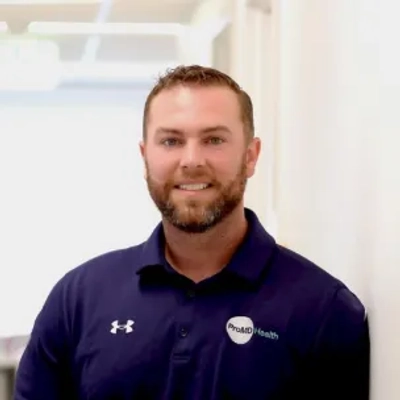
As franchise owner of ProMD Health Bel Air and head football coach at Perry Hall High, I lead diverse teams blending fresh aestheticians with clinical veterans, drawing from my multi-sport background to customize experiences.
For our younger aestheticians like Paige and Natalie, who vibe with self-care passion, I tailored “pre-event glow” workshops using ZO Stimulator Peels—letting them own social demos. Seasoned PAs like Amanda and Lauren, with ER and ortho roots, lead personalized HRT plans; this split boosted team engagement, mirroring our core value of “One Team.”
The lesson: Honor unique strengths over uniformity—staff now volunteer more via ProMD Helps, owning charity tie-ins like Susan G. Komen events, turning work styles into loyalty drivers.
Normalize Repetition to Build Confidence
As an outdoor hospitality brand, we have a pretty wide generational gap in our work-camper workforce, and many of our older employees are not especially strong with technical or computer-based systems. What worked best was making training more supportive and repeatable without making anyone feel ashamed for needing more repetitions. Instead of assuming everyone would pick up a workflow the same way, we broke tasks into simple steps, repeated the process consistently, and created space for questions without embarrassment. The biggest lesson was that people learn better when they feel respected. If training feels shaming, mistakes go up. If training feels encouraging and clear, confidence and performance usually improve.

Create Dual Entry Routes
We noticed different work styles during onboarding. Some employees learned best by exploring and testing ideas on their own. Others needed a clear map before they felt confident to move forward. So we redesigned onboarding as a simple menu with two paths that supported both learning styles. One path offered guided milestones with clear steps.
The other path allowed a discovery style where new hires worked through a sandbox brief and met weekly to confirm direction. To support different generations, we paired each new hire with two buddies who helped with process context and everyday tools. Once expectations were written and visible, people felt more comfortable working in their own style, which helped teams ramp up faster and reduce rework.

Align Insights to Team Needs
As founder of Otto Media, I created a shared workspace to bridge the different work styles of our data scientists and marketers. Data scientists broke down data to the neighborhood level, including search trends, local sentiment, and seasonal demand spikes. Marketers used those hyperlocal breadcrumbs to create content, ads, and offers. This approach personalized the employee experience by delivering insights in the formats each team prefers and reducing friction between analytical and creative workflows. The most valuable lesson was that aligning how information is shared is as important as the insight itself; when teams get data in the form they need, they take action.

Enable Diverse Engagement Pathways
In our organization, we personalized the employee experience by tailoring communication and professional development to generational preferences and work styles. For example, younger employees preferred digital collaboration tools, micro-learning modules, and flexible work hours, while more experienced team members valued structured mentorship, in-person check-ins, and long-term career planning. By creating multiple engagement pathways like optional Slack channels, flexible schedules, and mentorship programs, we ensured that everyone could interact and grow in ways that resonated with them.
The most valuable lesson I learned is that one-size-fits-all approaches hinder engagement. Listening to preferences, observing behavior, and offering flexible options fosters inclusivity, strengthens retention, and helps employees of all backgrounds feel valued and productive.
Tailor Recognition to Preferences
While all of us want to be seen and valued for our contributions and the impact we make, different generational cohorts often appreciate distinct forms of recognition. Boomers tend to value public acknowledgment and opportunities to mentor others. Gen X generally responds well to cash awards and anything merit- or performance-based. Millennials often appreciate recognition as part of a group achievement and enjoy mentoring and coaching relationships. Gen Z places a high value on well-being and experiences they can quickly share and showcase with others. The key takeaway is that meaningful recognition isn’t one-size-fits-all. In fact, even when well-intentioned, recognition efforts that do not align with preferences and styles can backfire, sometimes leading to people feeling that they were not recognized at all. Truly valuing people and engaging them requires understanding what motivates them and tailoring acknowledgment in ways that resonate with their priorities and experiences.

Treat Wellness as Strategic Infrastructure
I personalized the employee experience by treating benefits and wellness as a strategic platform and adapting education, engagement, and leadership modeling to different groups and work styles. Becoming a Certified Corporate Wellness Specialist reinforced that focus on culture and consistent communication rather than one-time plan changes. In practice I tailored engagement tactics so teams received the education and support that fit their routines and needs. The most valuable lesson was that early preparation and steady effort deliver far better long-term outcomes than reactive, short-term fixes.
Equip Managers With Simple Personalization Tools
One of the most useful starting points for personalising the employee experience is understanding how your workforce is actually structured. In hospitality, that structure has shifted dramatically. Our analysis of workforce data showed that Generation Z now makes up just under half of active hospitality employees, making them the largest generational group in the industry.
At the same time, they also tend to have the shortest tenure, with a large portion leaving within their first year. That combination means organisations need to focus heavily on early engagement and clear progression for younger employees while also supporting more experienced team members in different ways.
What we see working well in practice is giving managers tools that allow them to adapt their approach rather than forcing a single engagement model. For example, younger employees often respond well to frequent feedback and visible recognition, while longer-tenured employees tend to value structured conversations about development and recognition for their experience.
This is where employee experience tools become particularly valuable. Regular Check Ins help managers maintain consistent conversations with employees at different career stages. Moments allows teams to recognise milestones like birthdays, anniversaries or achievements, which helps build a sense of belonging across generations. Surveys provide a simple way to capture feedback and understand how different groups in the organisation are experiencing work.
The biggest lesson is that personalisation does not require complicated programmes. Often it comes down to giving managers simple, consistent ways to listen, recognise and communicate. When that happens, the employee experience naturally becomes more relevant to different generations and work styles.

