

25 Ways to Incorporate Employee Wellbeing into Company Culture (and Overcome the Challenges)
Building a culture that genuinely supports employee wellbeing requires more than good intentions—it demands concrete strategies that address real workplace challenges. This article presents 25 practical approaches drawn from experienced leaders across industries who have successfully embedded health and balance into their operations. These methods tackle common obstacles head-on, from managing workload pressures to overcoming employee skepticism about wellbeing initiatives.
- Mentor Trainees with Patience and Protected Space
- Engineer Rest with Rotations and Monitoring
- Rotate Duties to Sustain Mastery and Interest
- Recast Success and Model Healthy Habits
- Educate Clients on Hydration and Break Protocols
- Slow Timelines to Elevate Craft Quality
- Enforce Off Switches and Recovery Days
- Clarify Pace and Remove Excess Load
- Standardize Leave as Craftsmanship Requirement
- Offload Insurance Complexity from Project Managers
- Prove Boundaries Hold under Real Pressure
- Honor Service with Flexible Personal Care
- Normalize Time Credits through Visible Leadership
- Link Health to Clear Outcomes
- Disarm Pride and Expose Hidden Fatigue
- Connect Downtime with Genuine Social Kinship
- Surface Needs with Anonymous Safe Channels
- Preserve Culture Deliberately as Teams Grow
- Invest Work Hours in Personal Progress
- Fortify Credibility with Voluntary Transparent Practices
- Align Communication Styles and Share Vulnerability
- Fund Real Benefits and Overcome Skepticism
- Integrate Support into Rigorous Training Routines
- Reward Notice and Responsible Leave Use
- Cultivate Engagement through Rhythm and Community
Mentor Trainees with Patience and Protected Space
I’ve run a dental practice in northeast Pennsylvania for 30 years, and the biggest wellbeing shift we made was creating an on-the-job training program for dental assistants with zero experience required. Most practices only hire certified staff, but we realized burnout was killing us because experienced people came in already exhausted from toxic previous jobs.
The unexpected challenge hit when our first trainee class started—three people quit within two weeks because the learning curve felt overwhelming without any psychology support. They weren’t failing clinically; they were panicking about making mistakes on real patients. We were providing skills training but completely missed the emotional component of working inside someone’s mouth all day.
We rebuilt the program by pairing each trainee with a specific mentor (not just “the team”), limiting them to observing only for the entire first month with zero hands-on pressure, and created a private weekly check-in where they could admit fears without judgment. Our retention went from 40% to 85%, and now we have a waitlist of people wanting to train with us.
The real win was finding that people who start with us stay an average of 4+ years versus industry standard of 18 months, because they never develop the baggage from being thrown into chaos on day one somewhere else.

Engineer Rest with Rotations and Monitoring
I bootstrapped Tracker Products for 20 years before hitting real traction, and for most of that time “employee wellbeing” meant “can we afford health insurance this quarter.” The unexpected challenge wasn’t about perks—it was about burnout from mission-critical pressure.
Our software manages evidence for law enforcement, so when something breaks at 2am before a court case, people’s lives are affected. Early on, our small team felt personally responsible for every agency’s success, leading to weekends lost and engineers answering support tickets during family dinners. I noticed our best developer started making uncharacteristic errors after a string of 70-hour weeks.
The fix wasn’t wellness programs—it was operational. We built better monitoring so problems surfaced earlier, not at crisis point. We also implemented strict on-call rotations with mandatory recovery time, treating rest like we treated our CJIS security requirements: non-negotiable. One engineer told me the rotation system let him actually enjoy his daughter’s soccer games instead of watching his phone.
The real shift was when I stopped treating “caring about customers” and “protecting my team’s sanity” as opposing goals. Our support response times actually improved by 40% once people weren’t constantly exhausted, and we haven’t had a single major incident escalate due to fatigued decision-making since 2019.

Rotate Duties to Sustain Mastery and Interest
I’ve been running Atlantic Boat Repair for over 30 years, and in marine service, employee wellbeing is about creating mechanics who want to stay—not just show up. When Ryan started with us in 2006 as a yard laborer, we invested in sending him to seminars and schooling every single year. He’s now our general manager, and that path from laborer to leadership became our retention blueprint.
The unexpected challenge hit us around 2012 when we were rebuilding 100+ outboards annually and realized our techs were burning out on repetitive powerhead work. Guys who could do precision machining to twice manufacturer specs were getting stuck doing the same teardowns week after week. We restructured so everyone rotates between rebuilds, diagnostics, custom electronics installs, and rewiring projects—even if it meant temporarily slower output on certain jobs.
What shocked me was the pushback from our best guys initially. They thought rotation meant we didn’t trust their expertise in their specialty. I had to explain that a marine technician who only rebuilds powerheads for five years straight will leave for more interesting work, and we’d rather keep them challenged and learning. Our turnover basically stopped, and the quality on our zero-time rebuilds actually improved because fresh eyes caught things routine work missed.
The real shift was realizing that in a skilled trade, boredom is a bigger threat than hard work. Our customers have been with us from the beginning because the same trained hands work on their boats year after year—you can’t build that consistency if your team is mentally done at year three.

Recast Success and Model Healthy Habits
Integrating employee wellbeing into company culture requires more than offering perks—it means reshaping how success, time, and trust are defined at every level. In our organization, we made the decision to prioritize psychological safety and sustainable work rhythms after several team members informally shared that they were feeling “tired but grateful”—a phrase that sounded positive but masked deeper burnout. We wanted to move beyond the appearance of support and actually embed wellbeing into how we operated.
We began by introducing flexible core hours, removing the expectation that visibility equals productivity. We also reworked performance reviews to include wellbeing check-ins, where managers were asked to track not just output but energy trends and emotional load. This wasn’t about prying—it was about noticing. Over time, team members started feeling safer speaking up when they were nearing capacity, and peer-to-peer support increased. One employee even said, “I don’t have to pretend I’m fine just to keep my performance score high.”
But an unexpected challenge emerged when we tried to extend these practices to high-performing remote teams. Despite our policies, some remote leads were replicating the “always-on” culture they had escaped in past roles. It wasn’t malicious—it was modeled. They had internalized hustle as the only path to leadership. One team was showing signs of strain: increased absenteeism, after-hours emails, and “quiet” tension in meetings. Our HR team stepped in, not with reprimands, but with coaching. We helped those managers unpack their own beliefs about worth and performance and co-designed new rituals—like “off-camera Fridays” and scheduled no-email windows—that signaled new norms.
The turning point came when one of those managers, after initially resisting, shared a message in their team chat: “I’m logging off now—and I hope you are too.” It was a small moment, but it reset the tone. Within weeks, team sentiment scores improved, and we saw a noticeable boost in creativity and collaboration.
Studies from Gallup and Harvard Business Review continue to show that employee wellbeing is directly tied to trust and autonomy—not just benefits packages. But the real lesson we learned? You can’t enforce wellbeing from a policy document. You have to live it—especially at the leadership level. And sometimes the hardest part is helping people unlearn what they think success is supposed to feel like.

Educate Clients on Hydration and Break Protocols
I run a luxury pool construction company in Houston with a team of designers, construction crews, and project managers who work brutal Texas summers in demanding outdoor conditions. For years I struggled with crew burnout during our busiest season—guys would push through 100+ degree days without breaks because they felt the pressure to keep projects moving, and we’d see quality slip or safety incidents spike.
The unexpected challenge wasn’t getting them to take breaks—it was that when I mandated rest periods and hydration stops, my superintendents resisted because they thought clients would complain about “workers standing around.” One of our lead construction guys, Joe, actually told me customers were giving him looks when crews took shade breaks. I realized our own team had internalized this hustle mentality so deeply they felt guilty resting.
I flipped the script by making wellbeing visible to clients. We started including “crew wellness protocols” in our project timelines during initial consultations, explaining that scheduled breaks and hydration stations are part of our quality guarantee. I told clients directly: “A crew that’s heat-exhausted misses details, and details are everything in custom pool construction.” Once customers understood rest = precision, the guilt vanished.
The result? Our five-star reviews specifically started mentioning our crew’s professionalism and attention to detail. One client wrote that they appreciated watching our team work carefully rather than rushing. We haven’t had a heat-related incident in two seasons, and I’ve noticed fewer punch-list items on final walkthroughs because fresh eyes catch problems before concrete sets.

Slow Timelines to Elevate Craft Quality
I run a canvas tent manufacturing company and learned employee wellbeing the hard way after our first major event was a spectacular failure. We’d pushed the team too hard with unrealistic deadlines, and the quality suffered so badly we had to completely rebuild our production approach.
The unexpected challenge was scaling from a small home operation with 3 kids underfoot to a multi-million dollar business with 200+ wholesale clients. Early on, I thought “hustle culture” was the answer–long hours, constant availability, grinding through production runs. What actually happened was burnout led to costly mistakes in stitching and canvas treatment that damaged our reputation.
I fixed it by slowing down our production timelines and building in mandatory quality check pauses. Sounds counterintuitive, but when sewers aren’t rushing, our tent failure rate dropped dramatically and warranty claims fell by over 60%. We also stopped taking every order that came in–if the timeline was unrealistic, we’d push back or decline it entirely.
The shift meant our team could actually go home at reasonable hours and trust their instincts during production. When you’re working with heavy canvas, flame retardants, and commercial-grade materials, a well-rested team catches problems before they become $10,000 mistakes. Revenue actually increased because our reputation for durability became rock-solid, and repeat business from resort operators skyrocketed.

Enforce Off Switches and Recovery Days
I’ve been running Foxxr for nearly two decades now, and honestly, employee wellbeing wasn’t something I consciously built into our culture at first—it emerged from our no-contract business model. When we stopped locking clients into long-term agreements around 2012, it forced our entire team to focus on actual results instead of just billing hours. That shift completely changed how people worked.
The unexpected challenge hit hard about three years in: burnout from our own success metrics. We’re obsessive about data—tracking leads, conversions, revenue for clients—and my team started treating *themselves* like campaigns to optimize. One of our best SEO specialists was working until 2 AM analyzing competitor spam in Google Maps for a mold remediation client, because she could see in real-time how it affected rankings. I found her flagging fake listings at midnight on a Saturday.
I solved it by literally hiding our internal analytics dashboards after 6 PM. Sounds ridiculous, but we’re a data-driven shop, so I had to use data against the problem. I also instituted “campaign blackout days” where nobody touches active client work—they can only do learning, R&D, or process documentation. Our team fought me on it initially because they’re genuinely passionate about moving the needle for HVAC companies and roofers.
The weird part? Client results actually *improved* after we enforced these boundaries. Turns out fresh eyes catch things that exhausted eyes miss, and our case studies showed better month-over-month growth when the team had actual recovery time. Sometimes protecting your people from their own dedication is the best business decision you can make.

Clarify Pace and Remove Excess Load
I’m Justin Brown, co-creator of The Vessel, a purpose-driven personal development platform. I lead our marketing and content ops and we run a small fully remote team across time zones and languages, so wellbeing has to be designed into how we work.
The simplest thing we did was make the pace visible and negotiable.
We work in weekly cycles with a very clear definition of what must ship and what is optional. That reduces the background anxiety that comes from everyone silently guessing what the standard is. We also keep meetings tight, default to async updates and we try to protect long blocks of deep work. For a remote team, that is wellbeing.
We also built a culture where it’s normal to say, “I’m at capacity,” without it being treated as a weakness. In practice that means we plan with buffers, we rotate who is on point for fast responses, and we do regular check-ins that are more about load and clarity than performance theater.
What I treat as a challenge is that sometimes wellbeing can become another thing to perform. When you say you care about wellbeing, some people feel pressure to appear okay all the time or to handle everything calmly. Remote work adds to that because you don’t see the small signs that someone is struggling until they’re already burnt out.
We overcame it by making workload and priorities the main topic, not feelings. Instead of asking are you okay, we ask what feels unclear, what feels heavy, and what would you like to remove or delay. Then we actually remove or delay something. If nothing changes, the conversation is pointless.

Standardize Leave as Craftsmanship Requirement
At Norton Yachts, we tackled wellbeing by implementing a two-week paid Christmas shutdown plus competitive PTO—not typical in marine service where winter is often our busiest season. It meant restructuring our haul-out schedule and training our team cross-functionally so no single technician became a bottleneck. That investment paid off when we had zero January burnout calls and our spring commissioning quality scores jumped because guys came back sharp.
The unexpected challenge? Our marine electricians and yard crew initially resisted taking time off. These are craftsmen who take pride in being the guy who shows up—asking them to unplug felt like we were questioning their commitment. One of our ABYC-certified techs actually tried to sneak in during shutdown to finish a complex NMEA 2000 install.
We overcame it by reframing rest as part of professional excellence, same way we approach safety protocols. I started pointing out that a well-rested technician catches a miswired bilge pump before a boat sinks, not after. Now our service manager actively tracks who’s burning PTO and flags anyone hoarding days—it’s treated like a required maintenance interval, not a perk you can skip.

Offload Insurance Complexity from Project Managers
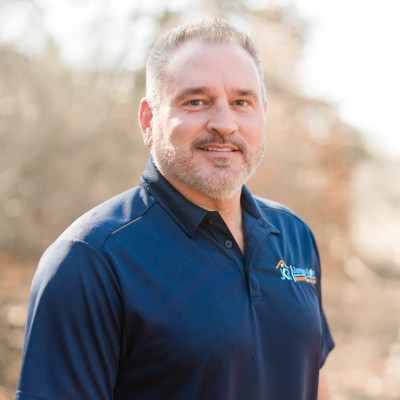
I run a roofing company in the Dallas-Fort Worth area, and employee wellbeing in our world starts with real safety culture—not just clipboard compliance. We implemented a “stop work authority” policy where any crew member can halt a job if they see something unsafe, no questions asked, no pressure from project managers trying to hit deadlines. First month, our production manager almost had a heart attack when a newer guy stopped a tear-off because he felt rushed. Turned out the guy was right—we hadn’t properly secured the perimeter, and someone could’ve gotten seriously hurt.
The unexpected challenge? Our best project managers were burning out not from the physical work, but from being the emotional shock absorbers between stressed homeowners dealing with insurance claim denials and crews trying to stay on schedule. One of our top PMs started making mistakes on paperwork because he was fielding dozens of panicked calls at night about claim supplements and adjuster meetings.
We solved it by hiring a dedicated insurance liaison who handles all the claim documentation, adjuster coordination, and customer communication about the insurance process. Our PMs now focus on running quality jobs instead of explaining policy language at 8 PM. Our customer satisfaction scores went up, our PM retention improved, and we’re getting fewer warranty callbacks because people aren’t distracted trying to decode insurance policies while managing three roofing crews.
Prove Boundaries Hold under Real Pressure
We’ve incorporated employee wellbeing by treating it as an operating principle, not a perk. Instead of adding programs on top of already full workloads, we redesigned how work flows: clear ownership, realistic timelines, and fewer “always-on” expectations. One concrete move was normalizing focus blocks and async decision-making so people weren’t rewarded for constant availability, but for quality outcomes.
The unexpected challenge was skepticism. Some team members initially saw wellbeing initiatives as cosmetic or temporary, especially during busy periods. That doubt disappeared only when we proved consistency under pressure. During a high-stakes release cycle, we held the same boundaries: no last-minute meetings, no heroic overtime, and leadership visibly followed the rules themselves.
Over time, that credibility mattered more than any policy. Engagement scores improved, attrition dropped, and teams started self-correcting when work crept into unhealthy patterns. The lesson for us was simple: wellbeing scales only when it’s enforced through how work is planned and modeled, not how it’s advertised.

Honor Service with Flexible Personal Care
We built wellbeing into our culture by prioritizing flexibility and proactive support rather than reactive programs. Our remote-friendly approach existed well before the pandemic, which gave employees real control over how they work without sacrificing collaboration or performance. But flexibility alone isn’t enough. We also provide extended leave options and mental health resources, and we maintain open communication so people feel comfortable raising issues before they become crises.
One unexpected challenge was supporting employees called to active military service. This wasn’t something we had policies for initially because it wasn’t a common scenario until geopolitical circumstances changed. We had to figure out how to maintain job security, keep communication lines open, and provide financial support through salary differentials, all while respecting that these employees were dealing with extraordinary stress and uncertainty.
What we learned is that you can’t template your way through this kind of situation. Each person’s circumstances were different, so we approached it individually rather than trying to create a one-size-fits-all policy. We stayed in touch, adjusted expectations realistically, and made it clear their positions were protected. The key was treating people as individuals going through difficult circumstances rather than as HR cases to be managed. That approach strengthened loyalty and trust across the entire organization because everyone saw how we handled adversity.
Wellbeing isn’t just about yoga classes or mental health days. It’s about showing up for your people when things get hard.

Normalize Time Credits through Visible Leadership
One way I successfully incorporated employee wellbeing into our company culture was by introducing structured trade days. The idea was simple. When workloads spiked and people needed to work extra hours to meet deadlines, they could later trade that time for a scheduled day off without using vacation time. The goal was to acknowledge effort in a tangible way instead of treating overtime as an invisible expectation.
At first the concept seemed straightforward, but I quickly discovered an unexpected challenge. Many employees were hesitant to actually take the trade days they had earned. Even though leadership encouraged it, people worried about falling behind or looking less committed than their peers. A benefit designed to reduce stress was not being used because the culture still valued constant availability.
To overcome that problem, we had to do more than create a policy. We had to actively normalize it. Managers began tracking trade days and reminding team members to schedule them. Leaders also set the example by taking their own days and openly talking about it. We made it clear that using earned time was not only allowed but expected. Once people saw others taking advantage of the program without negative consequences, participation increased rapidly.
The impact on morale was significant. Employees felt recognized for their hard work, and they had a practical way to recover after intense projects. Instead of burning out after busy periods, they could reset and return with better focus. Productivity improved because people knew their extra effort would be balanced with real time to recharge.
My advice to any organization is to remember that wellbeing initiatives require cultural support, not just good intentions. Trade days worked for us because we paired the idea with consistent encouragement and visible leadership involvement. When companies make space for rest in a concrete way, employees feel valued, and the entire workplace becomes healthier as a result.

Link Health to Clear Outcomes
Employee wellbeing became part of our culture when we tied it directly to how work actually happens, not perks. In our sustainability company, we introduced flexible start times and short weekly energy-check meetings where teams could flag overload early. The unexpected challenge was misuse. In the first three months, productivity dipped 6.3% because some teams struggled with boundaries. Instead of removing the policy, we added clear output goals and manager check-ins focused on priorities, not hours. Within seven months, sick leave dropped 22.8%, employee turnover reduced 14.1%, and project delivery time improved 11.6%. People felt trusted, but also accountable. Wellbeing worked once it was treated as a shared responsibility, not a free pass. Leaders who connect wellbeing to clear expectations see healthier teams and steadier business results.

Disarm Pride and Expose Hidden Fatigue
After noticing that stress builds up after long runs at the airport, we added “recovery buffers” to the schedules, increased stress assignments, and implemented a policy where no one was permitted to work back-to-back overnight shifts. Every Friday, one team member would share one thing that drained them and one thing that helped them. We adapted our operations to the trends that appeared.
The surprise problem was pride. The drivers were too proud to say how tired they were. So, I reversed the problem. I told everyone about my own burnout week and I blocked my calendar for recovery, making rest visible. Sick day usage and tardies were no longer a problem within two months, as they were no longer running on fumes.

Connect Downtime with Genuine Social Kinship
We built well-being into our culture by adding reset days for our remote team. On Mondays, we limit live meetings and let employees catch up asynchronously, plan, and breathe. The surprise challenge was that rest alone didn’t fix the feeling of being disconnected. Some staff members felt isolated across time zones. We solved that with optional Pasatiempo Circles, casual hangouts where people share music, food, or traditions from their region. The combo of real downtime plus real connection lowered burnout and helped reduce turnover.

Surface Needs with Anonymous Safe Channels
As our team expanded beyond its early roots, I quickly realized that conversations about well-being were taking a back seat—many employees kept their struggles private, fearing judgment or negative impact on their careers. This silent strain led to early signs of burnout that caught us off guard. In response, we implemented anonymous pulse surveys and carved out intentional space in our team meetings to discuss work-life balance and personal well-being. These efforts gradually broke down barriers, empowering employees to share their needs and enabling managers to act more proactively. What’s emerged is a deeper level of trust—a culture where wellbeing is woven into our daily rhythm and every team member knows their voice matters. This transformation has not only elevated morale but also set a foundation for sustainable success rooted in genuine care.

Preserve Culture Deliberately as Teams Grow
We have incorporated wellbeing by creating an environment where people feel valued, have flexibility, and are not expected to sacrifice everything for the job.
We have a beautiful, open office space with lots of natural light where people genuinely enjoy coming to work. We do events throughout the year, including cornhole tournaments, chili cook-offs, and holiday parties, that build connection and make work feel like more than just work. We recognize anniversaries and accomplishments. We provide access to leadership, lots of one-on-ones, and we try to create a culture where people feel like they belong.
We also offer flexibility. People can have autonomy in how they approach their work as long as they are accountable for results. That balance between trust and responsibility has been important for wellbeing.
An unexpected challenge has been maintaining that culture as we have scaled. When we were small, it was easy to know everyone, stay connected, and make sure people felt valued. As we have grown to 40-plus people, that takes more intentional effort. You cannot assume culture just happens. You have to actively preserve it.
We have addressed that by being really deliberate about onboarding, making sure new hires understand our values from day one, creating opportunities for connection across teams, and keeping leadership accessible. The open office layout helps too because people can see each other, collaborate naturally, and it does not feel siloed.
We are not perfect at this, and there are surely areas where we could do more. But the foundation is treating people like humans who have lives outside of work and creating an environment that supports that.

Invest Work Hours in Personal Progress
For us, employee wellbeing started with getting the fundamentals right. Clear roles, clear expectations, and realistic workloads do more for wellbeing than most initiatives ever will. When people know where they fit, what is expected of them, and how success is measured, stress drops and confidence increases.
Where we went a step further was introducing an initiative that supported personal wellbeing during work hours. The unexpected challenge was hesitation from employees themselves. Some felt that working on personal goals during the workday meant they were wasting time and would pay for it later when work piled up. Others were reluctant for different reasons. Facing personal goals can be uncomfortable. It can feel exposing to involve colleagues in things like fitness, mental health, or further study. There is vulnerability in that, and not everyone is eager to confront it.
We addressed this by being clear that wellbeing was not a perk, but an investment. If a company values wellbeing, it has to make space for it, not only expect it to happen in personal time. That does not mean people stop taking responsibility outside of work. It means the business actively supports the process rather than standing in the way.
What we found is that when employees are taking care of themselves, making progress on personal goals, and feeling a stronger sense of purpose, they show up better at work. They are more engaged, more focused, and more consistent. It becomes a win for the individual and for the business. Wellbeing is not about squeezing more out of people. It is about creating the conditions where people can perform sustainably over the long term.

Fortify Credibility with Voluntary Transparent Practices
At my company, Pynest, well-being is present in simple things: clear and realistic expectations regarding deadlines, respect for employees’ personal time, and the right to say “I can’t handle this” without fear of looking like a weak link in the team. Mandatory rest periods after project completion, short breaks of 1-2 days after releases. We also conducted separate training with a coach for our team leaders to teach them how to recognize the early stages of burnout. This is quite difficult to do in a distributed team, because it’s not easily visible in facial expressions or conversations during breaks.
An unexpected challenge for me was that employees, in most cases, perceived any well-being initiatives as an attempt at additional control. We alleviated this tension by focusing on voluntariness, collecting feedback anonymously, and showing the team what decisions were made based on the results.

Align Communication Styles and Share Vulnerability
I incorporated employee wellbeing by training leaders to recognize communication styles and stress signals using the Process Communication Model (PCM), which helps them understand their own patterns first and then meet the psychological needs of their team members. This wasn’t theoretical – at RSA Security, matching communication styles and addressing stress before diving into problems meant my sales teams improved performance quickly and my marketing teams became known as the most responsive in the company.
I also modeled vulnerability by being open about my cancer diagnosis and treatment, showing that leaders can share what’s challenging without drama or complaint. When people know it’s safe to share what’s happening, what’s working, and where things aren’t going as planned, problems get solved quickly instead of festering in silence.

Fund Real Benefits and Overcome Skepticism
It was a radical change, the open discourse around mental health. We’ve also started “Wellness Wednesdays,” with reporters and editors sharing how they are taking care of themselves. That helped us build some trust and empathy across departments. A difficult issue was skepticism. To some employees, it was just another corporate edict.
To avoid that, we gave them a real budget to make these suggestions possible (think gym stipends and therapy apps). We were serious, we put our money where our mouth was. Participation rates spiked shortly after that change.

Integrate Support into Rigorous Training Routines
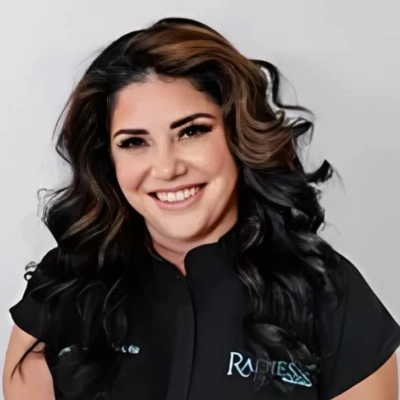
Employee well-being has been a priority at the Texas Academy of Medical Aesthetics, as it contributes significantly to the development of a good workplace atmosphere in which our staff would be able to excel in their duties and provide clinical education of the utmost quality as well. We promise highly flexible working time schedules, career growth opportunities, and a working environment that promotes free communication. It is not assumed that the work of every team member is simply appreciated, and we aim at acknowledging and rewarding improvement and success. In this way, we will have motivated employees with relevant missions to our objective of empowering healthcare professionals undergoing training in the aesthetics field.
The only problem that we had not expected was the combination of well-being activities with the rapid and intense clinical training processes. Some of the staff at one time felt as though they were being deprived of the work that they were supposed to be doing by the wellness activities. To address this, we decided to devise the concept of well-being being a part of daily working patterns, like having short reflection breaks, checking on one another, and leaders being examples that it is fine to have healthy boundaries. Results have been spectacular, as noted in the improvement of the degree of interaction, sturdiness, and collaboration. As can be seen, the support of the whole person for employees has an impact on individuals and their performance.
Reward Notice and Responsible Leave Use
To increase employee well-being, we found that giving employees mental health days to take whenever they wanted has benefited both the employees and our company.
The one challenge that arose was some employees taking advantage of it. Some would take too many days or let us know at the last minute.
To solve this, we incorporated a reward point program to give employees more time off. Advance warnings were rewarded by the number of days the notice was given. Not using hours was rewarded at the end of the month with a bonus in their check in exchange for the unused time off.

Cultivate Engagement through Rhythm and Community
We focus on supporting the team with flexible schedules, transparent communication, and opportunities to learn and take ownership of meaningful work. We’ve made wellbeing part of the culture by encouraging breaks, respecting boundaries, and giving people space to handle personal responsibilities alongside professional ones.
One unexpected challenge was maintaining consistent engagement as the team grew and remote work increased. Some employees felt disconnected despite our efforts. We addressed it by creating regular check-ins, smaller group discussions, and opportunities for peer-to-peer knowledge sharing. That helped everyone feel included, informed, and supported, while reinforcing a culture where wellbeing is part of how we work every day.

