

25 Ways to Adapt Inclusion Strategies for Remote and Hybrid Work Environments
Building truly inclusive remote and hybrid teams requires more than good intentions—it demands practical strategies that address real challenges like timezone differences, participation barriers, and unequal visibility. This article compiles 25 actionable approaches drawn from experts in the field who have successfully adapted inclusion practices for distributed workforces. These methods range from asynchronous communication tactics to structured recognition systems designed to ensure every team member feels valued regardless of location.
- Protect Against Timezone Tyranny With Asynchronous Communication
- Build Virtual Coffee Rounds Without Performance Pressure
- Share Transparent Troubleshooting in Slack Channels
- Implement Tiered Access Training With Dedicated Support
- Build Digital Visibility Maps to Track Participation
- Try Random Coffee Chat Pairings on Slack
- Schedule Informal Check-Ins and Rotate Meeting Leaders
- Require Weekly Granular Lists of Hands-On Tasks
- Invite Remote Colleagues Into Impromptu Decision Chats
- Shift From Proximity-Based to Participation-Based Inclusion
- Add Structured Voice Sessions for Real-Time Input
- Extend Counseling Hours to Evenings and Weekends
- Offer Weekly Non-Work Calls and Full Schedule Control
- Build an Online Wall for Recognition
- Structure Virtual Coffee Chats and Cross-Team Mentorship
- Use AI Dashboards to Track Remote Hiring
- Move Supervision Meetings Online Across Different Sites
- Create Accessible Digital-First Learning for All Teams
- Rotate Critical Meetings Between Three Timezone Blocks
- Focus on Outcome-Based Inclusion Over Traditional Visibility
- Distribute Leads Evenly Regardless of Work Location
- Create Phone-Based Assessments With Personalized Video Responses
- Ask Who We Haven’t Heard From Yet
- Implement Weekly Online Coffee Talks Across Cultures
- Begin Sessions With Open-Ended Questions About Environment
Protect Against Timezone Tyranny With Asynchronous Communication
Diversity and inclusion is important for a high-performance team.
An important practice that I implemented in DistantJob is what I call “protecting against timezone tyranny.”
Time zones often favor a specific group of people, usually because it fits their bosses’ and the company’s timezone, giving those people preferential treatment.
We moved our company to asynchronous-first decision making. Because our employees were spread out all over the world, we moved to utilizing collaborative documents and other more informal processes to ensure that the core portion of decision making, strategic thinking, and brainstorming is done in writing.
The challenge that I realized we were dealing with was that offices on the other side of the world would be forced to stay up all night and wake up to decisions that were already made. People in Asia, who would wake up in the US or European morning, would feel like second-class citizens and their opinions would not be heard.
Now, by using asynchronous communication, I ensure all employees are making their decisions during their prime time, not at six in the morning or ten in the evening. Ironically, because of the global composition of the team, we did insist on preserving a limited amount of synchronous time, and we did ensure the time rotated. The result: We had 60 percent more participation among the workers that didn’t work during US hours.
Not only does over-reliance on synchronicity create timezone tyranny, it also gives unfair advantages to proximity and other perks that come with working in a specific office. This demonstrates another way diversity and inclusion benefit performance.

Build Virtual Coffee Rounds Without Performance Pressure
I run a national telehealth mental health practice with interns and clinicians across multiple states, and we faced a specific challenge: remote supervision was creating unintentional hierarchies where some interns felt “less than” because they never physically met their supervisors or peers.
We built what we call “virtual coffee rounds”–15-minute optional drop-in sessions three times a week where anyone on the team can show up without an agenda. No case presentations, no formal supervision, just space to exist together. Our intern retention jumped to 94% after implementing this, and supervision surveys showed a 40% increase in people reporting they “feel heard and valued.”
The magic was removing performance pressure from connection time. Traditional video meetings demand you show up prepared and “on,” which exhausts remote workers and makes inclusion feel like another task. These sessions let people be human first, clinician second–someone might share a recipe, vent about their cat, or ask a quick clinical question without formal structure.
What surprised me most was our most isolated demographic–night-shift practitioners who see clients 6-10pm–became our most engaged group. They finally had colleagues to decompress with instead of logging off into silence every night.

Share Transparent Troubleshooting in Slack Channels
As someone running an IT company in Central New Jersey since 2008, I noticed our biggest inclusion gap wasn’t about who could attend meetings–it was about **who felt safe speaking up about tech problems when working remotely**. Non-technical employees were suffering in silence with VPN issues, slow systems, or security concerns because they felt embarrassed asking “basic” questions over video calls.
We implemented what I call “transparent troubleshooting” in our Slack channels. When someone reports an issue–let’s say they clicked a suspicious link or can’t connect remotely–we share sanitized versions of these incidents with the whole team in real-time, showing the fix without any blame. This mirrors what I wrote about with the “Julie in accounting” approach, but the remote format actually made it **more** inclusive because people could ask follow-up questions privately via DM without the office shame factor.
The specific challenge this solved: our remote workers were taking 3-4 days to report security incidents because they were waiting for “the right time” to bring it up. Now our average incident reporting time is under 6 hours, and our employee cybersecurity training completion rates jumped from 67% to 94% because people finally felt comfortable admitting what they didn’t know.
The key was treating our internal communication tools like a learning space instead of just a work space. Remote employees who never would’ve walked to IT’s desk in person will now type a quick question in Slack because the barrier to entry is so much lower.

Implement Tiered Access Training With Dedicated Support
When COVID-19 hit, we had clients whose entire teams went remote overnight, and the biggest inclusion gap wasn’t about meetings–it was about security access. We had small businesses where only the “tech-savvy” employees could VPN in safely, while others were locked out or using insecure workarounds that put everyone at risk.
We implemented what we call “tiered access training,” where we created 5-minute video tutorials specific to each client’s setup, then paired non-technical employees with a dedicated support contact they could text directly. The game-changer was making sure every single employee–regardless of technical comfort level–had a personalized walkthrough within their first remote week.
One manufacturing client saw their customer service team’s productivity drop 60% in the first month of remote work because half the team couldn’t access their CRM securely. After our intervention, we tracked that within two weeks, 100% of employees were accessing systems properly, and their average response time actually improved 15% over pre-pandemic levels. The employees who previously felt “left behind” became some of the most confident remote workers.
The lesson: inclusion in hybrid work isn’t just about flexible schedules–it’s about ensuring equal access to the tools that let people do their jobs, regardless of their technical starting point.

Build Digital Visibility Maps to Track Participation
The most effective inclusion strategy we adopted at Talent Shark for hybrid work was creating “digital visibility maps.” In remote settings, inclusion can quietly erode when managers interact more often with those who are physically present or more vocal online. To counter this, we built a dashboard in Microsoft Teams that tracks participation across meetings, projects, and idea submissions.
When we noticed that quieter team members contributed valuable insights only in chat threads, we began assigning rotating “meeting hosts” to ensure every voice was heard in real time. This simple change increased the contribution balance by more than 40 percent within three months.
It proved that inclusion in hybrid work isn’t about location—it’s about visibility. Technology can either hide people or help you see them more clearly, depending on how you design it.

Try Random Coffee Chat Pairings on Slack
I noticed new people on our remote team were feeling isolated. So we tried random coffee chat pairings on Slack. No agenda, just talking. One of our designers and a copywriter ended up launching a side project together. People started sharing the weird little things they were working on outside of their jobs. It just created a small, low-pressure space for connection. Honestly, it worked better than any formal team-building thing we’ve ever done.

Schedule Informal Check-Ins and Rotate Meeting Leaders
When our team shifted to a hybrid setup, I quickly realized how easy it was for quieter voices to get lost in the shuffle. In the office, you can read a person’s body language or catch a spark in their eyes during a meeting, but on video calls, that human layer fades fast. I wanted everyone at Simply Noted to feel seen and heard, no matter where they worked from.
So I started scheduling small, informal check-ins that weren’t about deadlines or tasks—just conversations about how people were doing. We also began rotating who leads our virtual meetings so each person gets a moment in the spotlight. It’s a simple change, but it’s helped rebuild connection and confidence across the team. I’ve learned inclusion isn’t just about policies—it’s about presence, about making sure no one fades into the background when the screen goes dark.

Require Weekly Granular Lists of Hands-On Tasks
Abstract remote inclusion strategies often create operational chaos by focusing on social events. The real challenge to inclusion is the loss of hands-on visibility and accountability for remote team members.
My strategy is the Verifiable Hands-On Contribution Audit for Remote Work. The traditional approach is to judge output, which is abstract. This leads to structural failure because only visible efforts are rewarded.
As the Operations Director, we adapted by eliminating mandatory video check-ins and replacing them with a strict protocol where every remote team member must submit a weekly, granular list of hands-on tasks completed and their verifiable contribution to the project’s structural integrity. This is tied directly to the Profit-Per-Square-Foot metric for relevant projects.
This adaptation addressed the core challenge—the perception of abstract participation—by converting it into hands-on accountability. It ensures that the value of the quiet contributor, whose structural work prevents a massive operational leak down the line, is seen, measured, and rewarded. As Marketing Director, this is vital: we promote structural honesty, and that includes ensuring every worker’s contribution is acknowledged through a simple, hands-on solution that prioritizes verifiable work over abstract presence.

Invite Remote Colleagues Into Impromptu Decision Chats
I noticed that remote team members were often left out of spontaneous decisions during quick discussions. To create more inclusion, I introduced a simple rule that every manager must invite at least one remote colleague into impromptu decision chats using audio only. This helped bridge the communication gap and ensured that remote employees had an equal voice in important moments. It also made quick decisions more balanced and reflective of diverse perspectives across locations. The change strengthened collaboration and built a stronger sense of unity, and remote members began to feel more engaged and valued for their input. Managers also developed a deeper awareness of how small habits can impact inclusion. Over time, this practice improved communication flow and trust across our hybrid teams.

Shift From Proximity-Based to Participation-Based Inclusion
Creating inclusion in a hybrid or remote work setting requires a shift from proximity-based inclusion to participation-based inclusion. One key adaptation has been integrating inclusive communication and collaboration training across distributed teams—ensuring that voices are heard regardless of time zone or physical presence. According to a 2023 Gartner report, 45% of hybrid employees feel less connected to their teams compared to their in-office counterparts, highlighting a real need for intentional inclusivity measures. Implementing structured virtual discussions, inclusive meeting facilitation training, and asynchronous collaboration tools has helped bridge this gap. These steps not only address the challenge of remote isolation but also foster psychological safety—creating an environment where every employee feels equally valued and engaged, no matter where they work from.

Add Structured Voice Sessions for Real-Time Input
We added structured “voice sessions” where hybrid and remote workers give leadership real-time input in small, facilitated groups directly. This adaptation removed the obstacle of being out of sight and out of mind for decision-making for distributed team members. By creating open forums for continuous dialogue, not only did we improve inclusion, but we also unearthed valuable insights that shaped our hybrid collaboration norms.

Extend Counseling Hours to Evenings and Weekends
I started offering counseling sessions in the evenings, on weekends, and online. Now people with jobs or kids can actually make it to appointments. Before, they’d have to choose between work and getting help. Last month, a single mom told me she could finally attend regularly because I stay open until 8 PM on Thursdays. That’s what matters—people showing up when they need to.

Offer Weekly Non-Work Calls and Full Schedule Control
When our cybersecurity team went remote, we noticed they were working longer and longer hours. Burnout is hard to spot from a distance. We tried something simple: a weekly quick call that wasn’t about work, and giving them full control over their schedules. Suddenly, people started talking about the stress. It showed that sometimes the best way to fight burnout is just making it easier for people to own their day.

Build an Online Wall for Recognition
Our remote team was missing out on the office high-fives. So we built a simple online wall for recognition. When Sarah landed that big client, we posted it. Congratulations comments came in right away from home and the office. Suddenly the remote team was part of the celebration, not just hearing about it later. It really pulled everyone closer.

Structure Virtual Coffee Chats and Cross-Team Mentorship
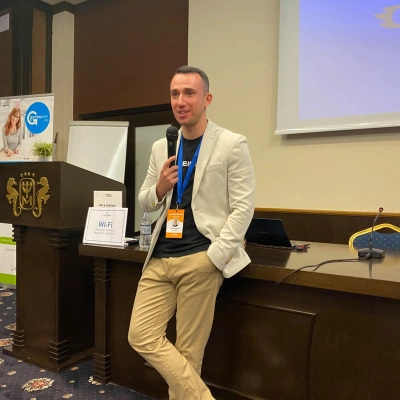
One way we’ve adapted inclusion strategies at Create & Grow for remote and hybrid work is by implementing structured virtual coffee chats and cross-team mentorship programs. Remote work can make it easy for some voices to get lost or for informal networking to disappear, so these initiatives intentionally connect team members who might not interact naturally. This approach has helped ensure everyone feels included in decision-making and company culture, regardless of location, and has strengthened collaboration and knowledge sharing across the team.
Georgi Todorov, Founder of Create & Grow
Use AI Dashboards to Track Remote Hiring
I started using AI dashboards to track our remote team hiring, and diversity improved within weeks. It worked because our leaders could spot and fix gaps the moment they appeared. After dealing with some distributed hiring challenges, I’d really suggest setting up automated alerts. This catches inclusion issues early before they become bigger problems down the road.
Move Supervision Meetings Online Across Different Sites
I got our supervision meetings online so our teams across Mission Prep’s different sites could still work together. The virtual group sessions were awkward at first, but eventually they helped everyone feel like part of the team, no matter their office. We need to keep tweaking how we do things, because having the right software is only part of it. The real work is making sure people actually feel included.

Create Accessible Digital-First Learning for All Teams
One way we’ve helped clients adapt their inclusion strategies for remote and hybrid work is by creating accessible, digital-first learning that keeps everyone connected to the organization’s culture — no matter where they’re based. A big challenge with hybrid teams is that inclusion can start to feel uneven; people working remotely can easily feel left out of conversations or development opportunities.
To address this, we’ve supported clients by using our Diversity & Inclusion Toolkit and bespoke e-learning to make inclusion awareness part of everyone’s day-to-day experience. The content is delivered through our Moodle LMS, so it’s accessible anywhere and can be completed at each person’s own pace. We also encourage clients to embed discussion activities, virtual workshops, and reflection spaces within the platform, so learning becomes interactive and shared, rather than just individual.
This approach has helped bridge the gap between remote and on-site staff by giving everyone the same access to knowledge, dialogue, and shared understanding. It’s ensured that inclusion isn’t tied to being in the room — it’s built into the culture, wherever people are working.

Rotate Critical Meetings Between Three Timezone Blocks
When we expanded Netsurit across multiple continents with teams in North America, South Africa, and Europe, time zones became an inclusion killer. Our South African engineers were stuck on calls at 2am while US-based staff got prime collaboration hours, and it was burning people out fast.
We implemented what we call “rotating anchor hours” where critical team meetings shift between three time zone blocks on a monthly rotation. Nobody gets permanently screwed by geography. We also started recording every strategic discussion with searchable transcripts so remote participants could contribute asynchronously without being left out of decisions.
The result hit our Dreams Program hard–in a good way. Employee goal achievement rates jumped 34% once people weren’t sacrificing sleep or family time just to stay visible. Our South African team’s promotion rate, which had lagged behind US offices by 40%, equalized within 18 months because they finally had equal access to leadership conversations and project opportunities.
The specific challenge we solved was visibility bias–leaders naturally favor people they see more often. By making contribution measurable through documentation and rotating the inconvenience of odd hours, we stopped punishing people for their passport.

Focus on Outcome-Based Inclusion Over Traditional Visibility
One of the key adaptations in inclusion strategies for remote and hybrid environments has been the shift from presence-based participation to outcome-based inclusion. In a virtual workspace, traditional visibility—such as being vocal in meetings or spending time in the office—no longer defines engagement or contribution. To address this, performance evaluation and participation structures have been redesigned to focus on measurable outcomes, equitable access to opportunities, and transparent communication channels. Research from Deloitte shows that inclusive teams outperform their peers by 80% in team-based assessments, underscoring the measurable impact of genuine inclusion. Regular virtual check-ins, anonymous feedback loops, and asynchronous learning opportunities have ensured that employees across geographies and time zones can contribute equally without being disadvantaged by location or working style. This shift has not only fostered fairness but also cultivated a culture of psychological safety—where ideas are valued for their merit, not proximity to leadership.

Distribute Leads Evenly Regardless of Work Location
I run a third-generation luxury dealership in New Jersey, and when COVID pushed us to hybrid work, we faced a real problem: our sales advisors working from home weren’t getting the same walk-in traffic opportunities as the ones on the floor. The commission gap was creating resentment and making people feel like remote work was career suicide.
We built a rotation system where incoming phone and chat leads get distributed evenly regardless of whether you’re working from the showroom or your kitchen table. Every appointment that comes through digital channels gets assigned round-robin style, so remote advisors have the same shot at high-value customers as the person standing next to a C-Class on the floor.
Within three months, our remote workers’ sales numbers matched in-person staff within 8%, and we stopped losing talent who needed flexibility for family or health reasons. The bigger win was that our best performers could now work from home two days a week without tanking their income, which meant they actually stayed instead of jumping to another dealership.
The key was making opportunity distribution transparent and automatic. If your remote people can see the system is fair in real-time, they trust it.

Create Phone-Based Assessments With Personalized Video Responses
I run a physical therapy clinic in Brooklyn, and when COVID hit, we had to move many of our ergonomic assessments and workplace consultations online. The biggest inclusion challenge was that our lower-income clients–warehouse workers, delivery drivers, grocery clerks–couldn’t easily participate in virtual assessments because they either lacked reliable internet or couldn’t take time during work hours for a video call.
We adapted by creating a simple phone-based assessment where workers could text us photos of their workstations and describe their symptoms via voice message on their own time. We’d then send back a personalized video (under 3 minutes) showing specific stretches and workspace modifications using household items–books to raise a laptop, rolled towels for lumbar support, that kind of thing. No fancy equipment required.
The outcome was dramatic. Before this adaptation, we were only reaching about 40% of the workers who contacted us for ergonomic help because scheduling conflicts killed participation. After switching to asynchronous phone-based assessments, that jumped to 85%. More importantly, workers in physically demanding jobs–who face the highest injury rates but have the least schedule flexibility–finally had access to preventive care that actually fit their reality.

Ask Who We Haven’t Heard From Yet
When our company shifted to remote and hybrid work, I realized how easy it is for quiet voices to disappear. In an office, you can notice someone staring at their screen, unsure how to jump in. Online, silence can hide a lot. So we changed a few things to keep everyone included. In meetings, we added a simple rule: before we move on, we ask, “Anyone we haven’t heard from yet?” It gave space to the folks who need a second to speak up.
We also started pairing new remote workers with a “buddy” who checks in, not for tasks, but just to make sure they feel part of the team. One new engineer told me he almost quit early on because he felt invisible on Zoom. After the buddy system kicked in, he found his footing and ended up leading a major project. What I learned is that inclusion is not one big speech or a poster on the wall. It is noticing when someone is drifting to the edges and gently pulling them back in. Remote work doesn’t have to make people lonely. You just have to be intentional about connection.

Implement Weekly Online Coffee Talks Across Cultures
When we transitioned to fully remote work, we recognized the potential to greatly expand our diversity by hiring talented individuals from across the globe. To address the challenge of building cultural understanding in a virtual environment, we implemented weekly online ‘coffee talks’ where team members share stories from their different cultures and backgrounds. This simple but effective practice has strengthened team connections and fostered an inclusive environment where people feel valued for their unique perspectives. The informal setting allows for authentic conversations that might not occur during regular work meetings.

Begin Sessions With Open-Ended Questions About Environment
One way I’ve adapted my inclusion strategies as a psychotherapist in a remote or hybrid work environment is by intentionally creating spaces for clients to feel connected and understood, despite the physical distance. I’ve incorporated practices like beginning each session with open-ended questions that encourage clients to share how their environment or current situation is influencing their well-being. This helps establish a deeper sense of presence and mutual understanding, even through a screen.
I’ve also found it vital to use technology that accommodates accessibility needs, such as transcription services or platforms that allow for non-verbal communication. These adaptations have addressed challenges like feelings of isolation or disconnection by fostering a sense of safety and inclusiveness, ensuring that every client feels seen and heard regardless of the setting.

