# How Do You Manage Generational Diversity in the Workplace?
- Published: 2023-04-05 (updated 2023-04-05)
- Author: [Brett Farmiloe](https://bestofhr.com/author/marketing.md)
- Topics: [Managing Talent](https://bestofhr.com/category/managing-talent.md), [Questions](https://bestofhr.com/category/questions.md)
- Source: https://bestofhr.com/how-do-you-manage-generational-diversity-in-the-workplace/
- Publisher: Best of HR
From recognizing everyone’s worth to valuing everyone’s unique perspectives, here are 13 answers to the question, “What advice do you have to manage generational diversity in the workplace?”
- Keep an Open Mind
- Offer Inclusive Benefits for Employees Across Generations
- Create Forward Movement with Reverse Learning
- Have a Human-Centered Approach
- Ensure Psychological Safety
- Practice Adaptive Learning
- Encourage a Flexible Workplace Environment
- Normalize Trust Building & Autonomy
- Use Multiple Channels of Communication
- Embrace Variety to Keep Your Team Engaged
- Measure and Track Diversity Across Teams
- Network with Different Generations
- View Empathy as a Tool
### Keep an Open Mind
When reflecting on all dimensions of diversity, be curious. When a biased thought arises based on someone’s age, ask yourself where the idea is originating from. Messaging has led many of us to believe that young adults don’t have the skills developed or the knowledge yet to be successful.
But when we look at the facts, most major societal changes that have occurred were youth-led. Embrace the energy and power of youth. Likewise, don’t overlook older generations because of stereotypes instilling that they are set in their ways.
But they have often been around long enough to have tremendous wisdom to share based on experience. They can provide knowledge and tips for what works well.
Regardless of a person’s age, as negative thoughts come up, remember, stay curious! Ask yourself why I am thinking this and then reframe it in a strengths-based way for each generation based on what they offer.
### Offer Inclusive Benefits for Employees Across Generations
Designing a company benefits package that is inclusive of age, generation, or life stage is central to motivating, attracting, and keeping employees of all generations. Older generations prefer health and retirement benefits, while younger generations are more interested in mental health and workplace flexibility.
Each generation has unique life experiences that shape their expectations and perceptions of the workplace; it is critical to survey your workers to determine their needs before laying the groundwork for a benefits program.
Consider offering several packages to choose from—younger employees may be okay with giving up 401k matching to receive free mental health care, and vice versa.
### Create Forward Movement with Reverse Learning
Generational diversity is not a new concept; it simply has a spotlight on it as we seek to embrace all dimensions of DEIB. One tip that can help everyone in the workplace is to embrace each generation with a daily dose of curiosity.
Learning from elders is traditional and necessary because of their experience and wisdom, yet learning from younger generations gifts us with innovation and wondrous inspiration that can wow us and those around us.
Be intentional in learning from one another, and we can collectively help refine the best pathways to succeed together without fear, judgment, or lack of respect for each person’s contributions.
### Have a Human-Centered Approach
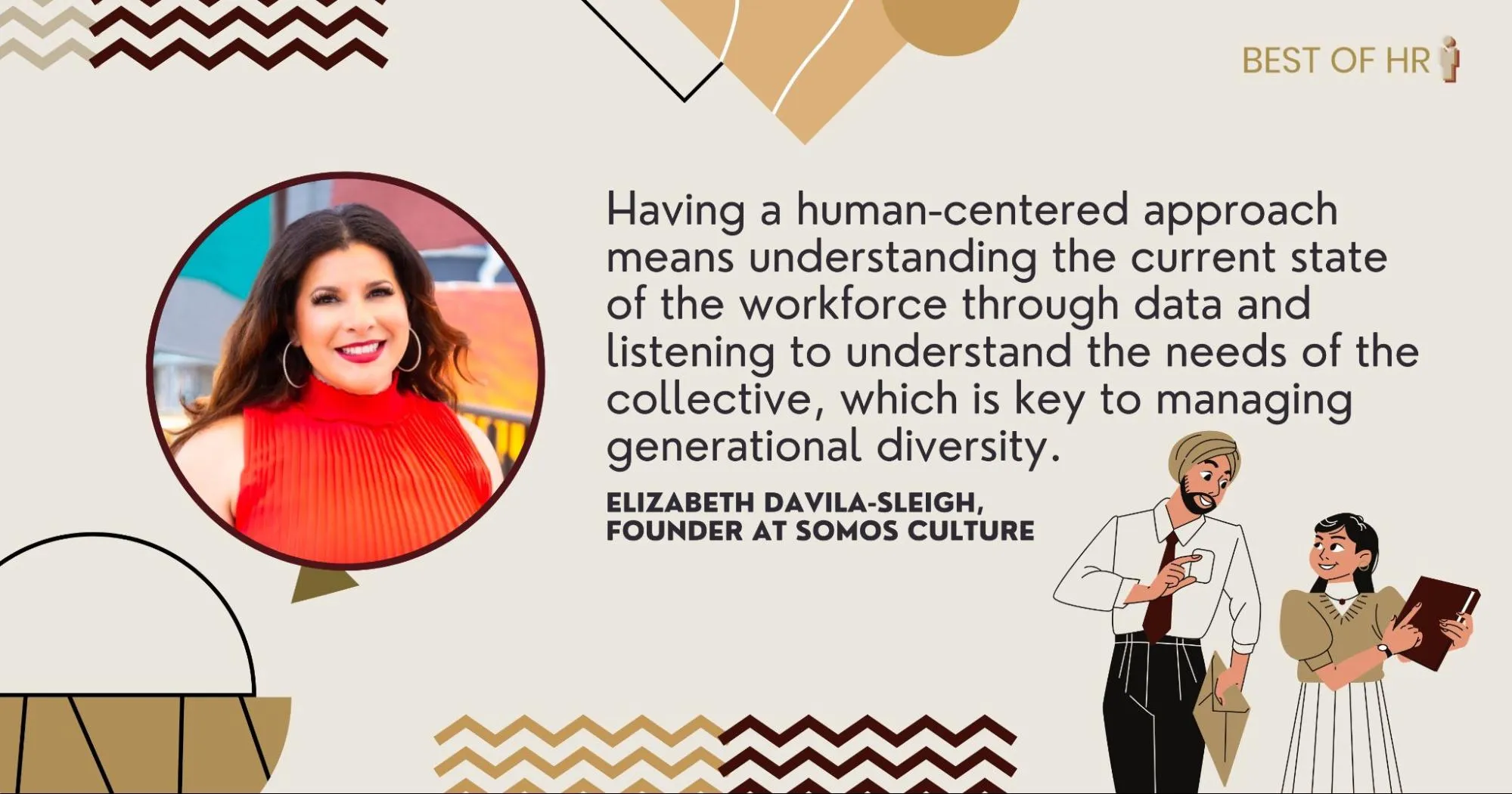
Having a human-centered approach means understanding the current state of the workforce through data and listening to understand the needs of the collective, which is key to managing generational diversity.
We use data to manage operations, forecasts, sales, and finances—why not use it for people to create forward momentum in creating bridges for a multigenerational organization? When you couple data and a human-centered approach, you get purpose-driven results.
### Ensure Psychological Safety
Creating norms and structures around the shared expectation that “teammates will not embarrass, reject, or punish them for sharing ideas, taking risks, or soliciting feedback” is a vital part of managing generational diversity in the workplace.
Every generation has its own standards for how they do things, with unique beliefs, personalities, and skill sets. All people want is to feel that they belong and feel safe in expressing themselves.
I have found that creating norms and embracing structures around psychological safety helps in doing just that; it leads to all employees, irrespective of their generational differences, feeling fulfilled and included.
### Practice Adaptive Learning
As humans, we are facing global and multi-impactful challenges and we live in an exponentially changing world. It is unlikely that only one vision will be accurate and optimal.
With that in mind, we must train our adaptive learning abilities in daily meetings, especially for creative solutions. Ask yourself these questions to help you change the way you listen to others and express ideas of your own, regardless of age differences in the group:
1\. What are the key differences between that approach and mine?
2\. What can I learn from this alternative view?
3\. Which talents of mine am I offering to this group?
4\. In this conversation, how could I be adding, building on, and contributing first before discarding?
When we practice adaptive learning, we train our neuroplasticity, and we can moderate autopilot thinking trends, which often cover resistance to change and result in an innovation killer.
### Encourage a Flexible Workplace Environment
In a multi-generational workspace, managers have to be flexible in their leadership. Do this through articulating clear communication of the team goals and expectations, facilitating a healthy dialogue of what each person needs to leverage their strengths to reach the goal, and trusting your team to accomplish the goal within established agreements.
We’ve blurred the work-life balance line, so be able to adopt ways for people to work at their best!
### Normalize Trust Building and Autonomy
Generational diversity in the workplace is becoming more of a “hot button” topic, as we are seeing three to four generations in the workforce at the same time. We have the Boomers who are looking to exit the workforce and Generation Z who are coming in with original interests and demands for their workplace.
One tip I would suggest is to listen to the needs of the generations and develop opportunities to meet those demands. This might look like prioritizing their psychological safety and their ability to build trust and confidence in their work.
One way an organization might do this is to promote autonomy, create team and project norms, and establish more inclusive communications and collaboration across generations/teams.
### Use Multiple Channels of Communication
Today’s workplace includes over four generations-this shows a diverse range of communication styles and cultural backgrounds. For employees to be heard, it is important to have diverse strategies that are collaborative, innovative, and inclusive.
Here’s one tip for engaging all generations through communication: create multiple channels to reach all audiences and deliver core messages through a mix of verbal, written, and digital communications. Organizations also need to provide tactical training to support employees who may be unfamiliar with certain communication methods.
This will improve communication and provide development opportunities for employees in their interactions with the organization and with external partners. By valuing and prioritizing effective communication, organizations can create a workplace culture that promotes success and growth for everyone.
### Embrace Variety to Keep Your Team Engaged
One key component to keeping top talent is to provide an array of ways for your employees to be recognized for their excellent work.
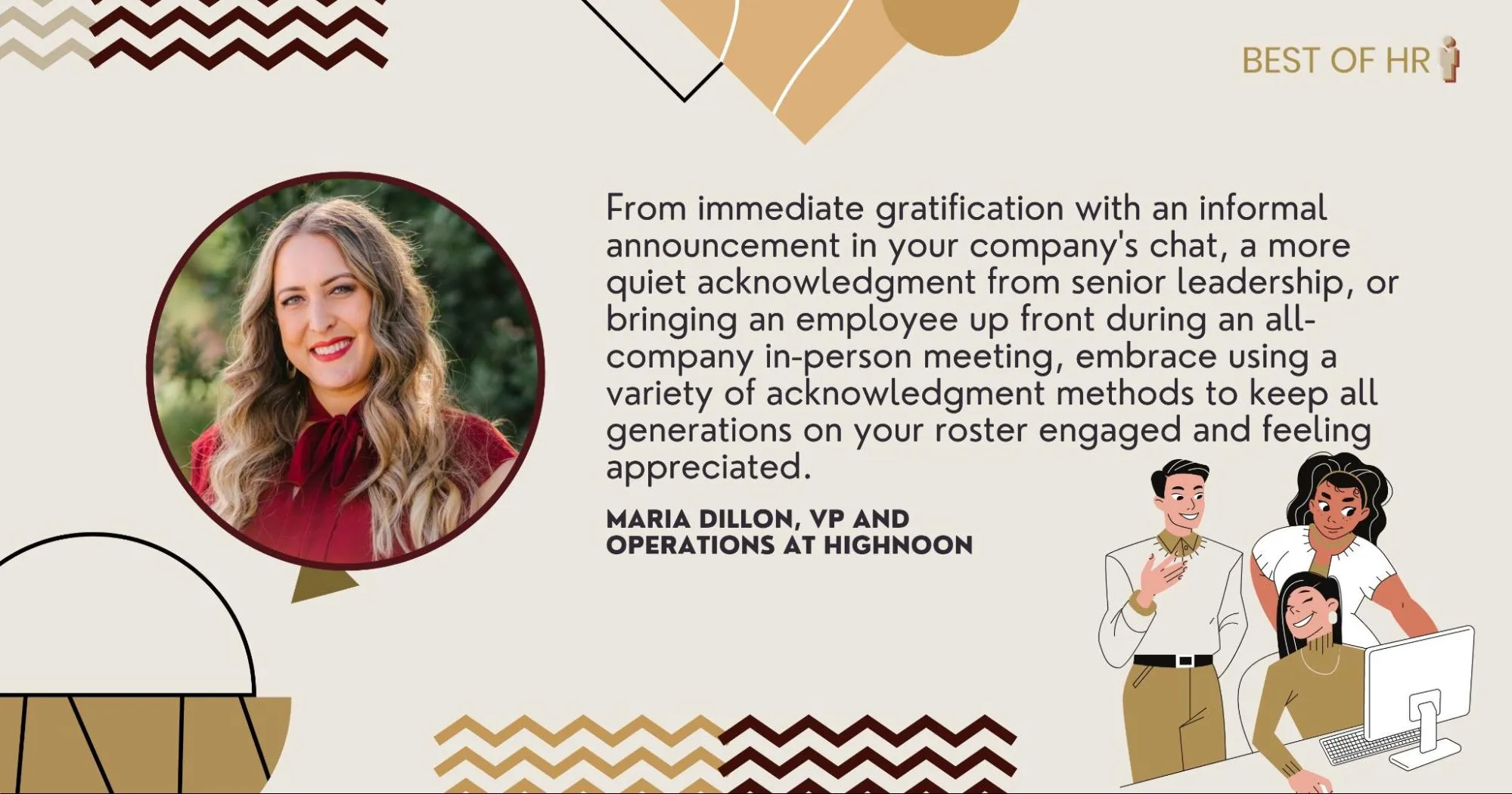
From immediate gratification with an informal announcement in your company’s chat, a more quiet acknowledgment from senior leadership, or bringing an employee up front during an all-company in-person meeting, embrace using a variety of acknowledgment methods to keep all generations on your roster engaged and feeling appreciated.
There are generalizations made about younger generations, Gen-Z to Millennials, being focused on immediate gratification while older generations prefer more formal recognition with varying degrees of ceremonious presentation, but don’t get trapped in grouping acknowledgments based on generational categories alone.
An employee’s stage of life, company role, and individual personality factor in what types of acknowledgments they prefer, just like their preferences for communications, benefits, and work environment style.
### Measure and Track Diversity Across Teams
To be strategic, organizational DEI efforts need to be grounded in human-centric data about who we have within the company and what they need to be successful.
To avoid making assumptions, leaders should regularly measure, track, and communicate generational diversity (just as they do other lines of difference) both across the organization at large and across departments and teams.
This will help present an accurate picture of generational diversity within the organization and where gaps may be more pronounced. This also has the added impact of encouraging authentic and honest conversations about generational diversity across all employees, which can lead to greater engagement.
### Network with Different Generations
One aspect I have enjoyed throughout my career in the advertising and consulting industries is connecting with peers from different age groups and generations. Though each generation may have different communication styles, values, and expectations, it is important to acknowledge and understand these differences.
I am a staunch believer that getting to know each other at a personal level is the best way to recognize the nuances that make each one of us unique human beings.
By encouraging colleagues to share their perspectives and ideas through intergenerational collaboration, we help bridge any gaps and create a more inclusive and productive work environment.
It doesn’t need to be an elaborate dynamic; I have had spectacular experiences just by talking about deeply personal aspects such as parenting or spirituality over lunch or coffee breaks.
### View Empathy as a Tool
We have four generations coming together in the workplace. How can we manage Baby Boomers, Generation X, Millennials, and Generation Z so that their input in the workplace matters? One simple tip is learning to value each group’s unique perspective and talents.
Often, we focus on what is not working and overlook that we are in a unique position to learn from each other, that our differences are strengths, and that together we can bring solutions that can shift the culture to a thriving and dynamic value-centered organization.
## Related
- [What are the best employee benefits for WFH employees?](https://bestofhr.com/best-employee-benefits-for-wfh-employees.md)
- [What are best practices for managing millennials?](https://bestofhr.com/best-practices-managing-millennials.md)
- [What are some employee evaluation best practices for managers?](https://bestofhr.com/employee-evaluation-best-practices-for-managers.md)
- [From Answers to Insight: Why Executive Growth Starts with Better Questions](https://bestofhr.com/from-answers-to-insight-why-executive-growth-starts-with-better-questions.md)